
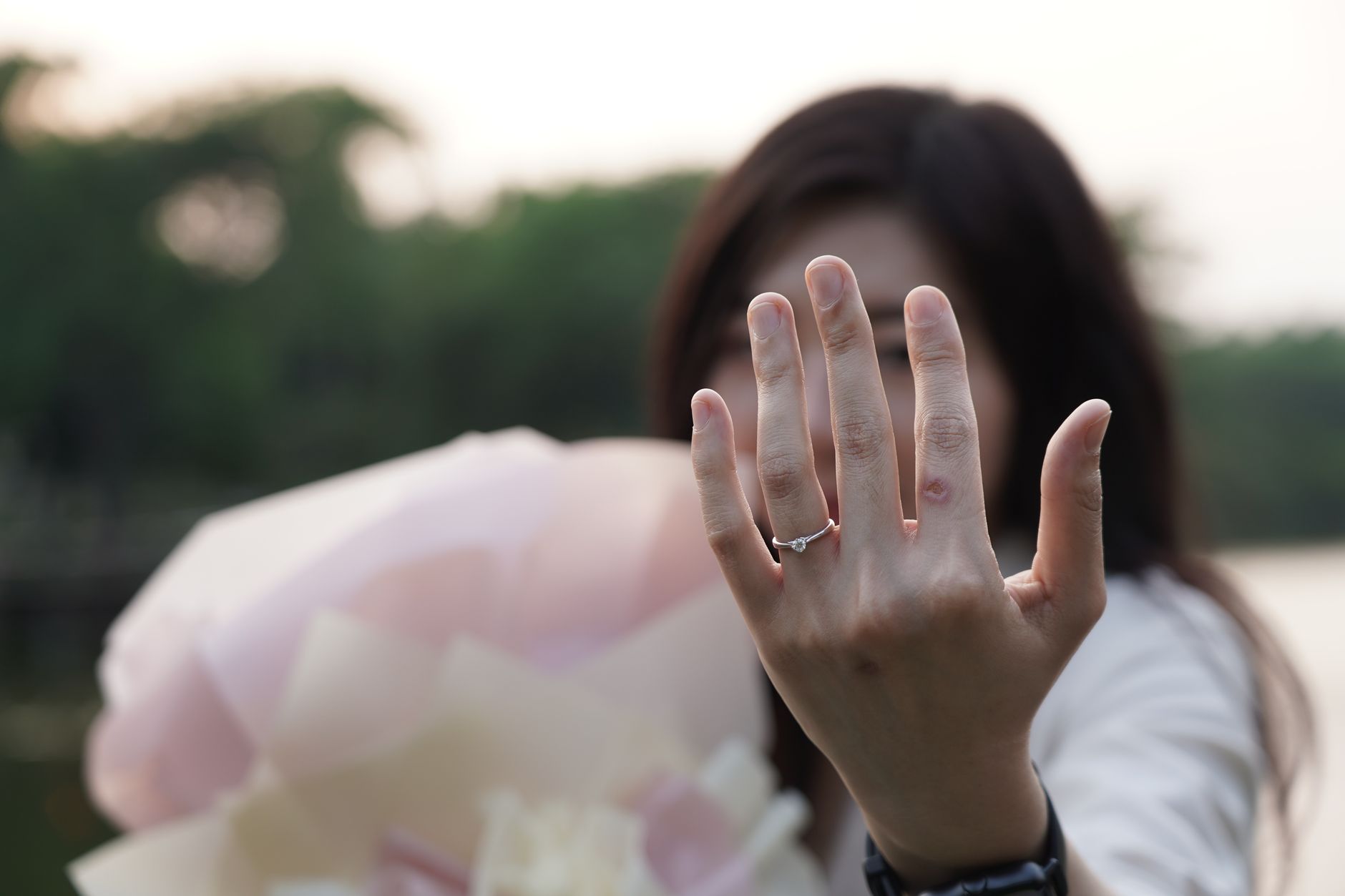
Engagement season officially starts in about three weeks. Almost half of couples get engaged between Thanksgiving and Valentine’s Day, according to The Knot, and December is the single most popular month to propose. If you’re about to pick out a ring (or drop very specific hints), odds are it’s a lab-grown engagement ring. Sixty-one percent of engagement rings bought by couples married in 2025 had a lab-grown center stone, according to The Knot’s latest study. That’s a 239% jump since 2020.
I think a lab-grown engagement ring is a great choice. I also think almost everyone buying one is handling the after-purchase part like it’s a mined diamond, and that’s where the money leaks out. A lab-grown stone behaves less like an heirloom and more like a TV: it gets cheaper to make every year. Price it, insure it, and talk about it that way, and you’ll keep a lot more of your budget.
Lab-grown engagement rings keep getting cheaper after you buy them
Start with the supply side. Wholesale lab-grown diamond prices fell 26% in 2025 and another 13% year over year in the second quarter of 2026, according to industry data reported by JCK in August. One wholesale index is down 96% since 2018. A 3-carat, top-color lab stone traded for $126 a carat in early 2026.
You’d expect retail rings to have collapsed along with that. They haven’t, not fully. Diamond analyst Paul Zimnisky’s data shows retailers still mark lab-grown stones up more than 80% over wholesale, a margin that barely moved between 2025 and 2026. So the average lab ring in The Knot’s study still cost $4,300 for about a 2-carat stone, compared with $7,000 for a natural ring averaging 1.6 carats.
And if you ever try to sell, there’s basically nothing on the other side of the counter. One New York jeweler told JCK flatly that “there is no resale value for lab-grown diamonds,” and that only the setting holds any.
That doesn’t make lab-grown a bad buy, it makes it closer to a consumable. You’re paying for how it looks and how it feels to wear, which is a completely legitimate thing to pay for. You just shouldn’t let anyone (including the little voice that says “but it’s an investment”) convince you you’re buying something that holds value.
Insuring a $4,300 lab ring at the receipt price overpays every year
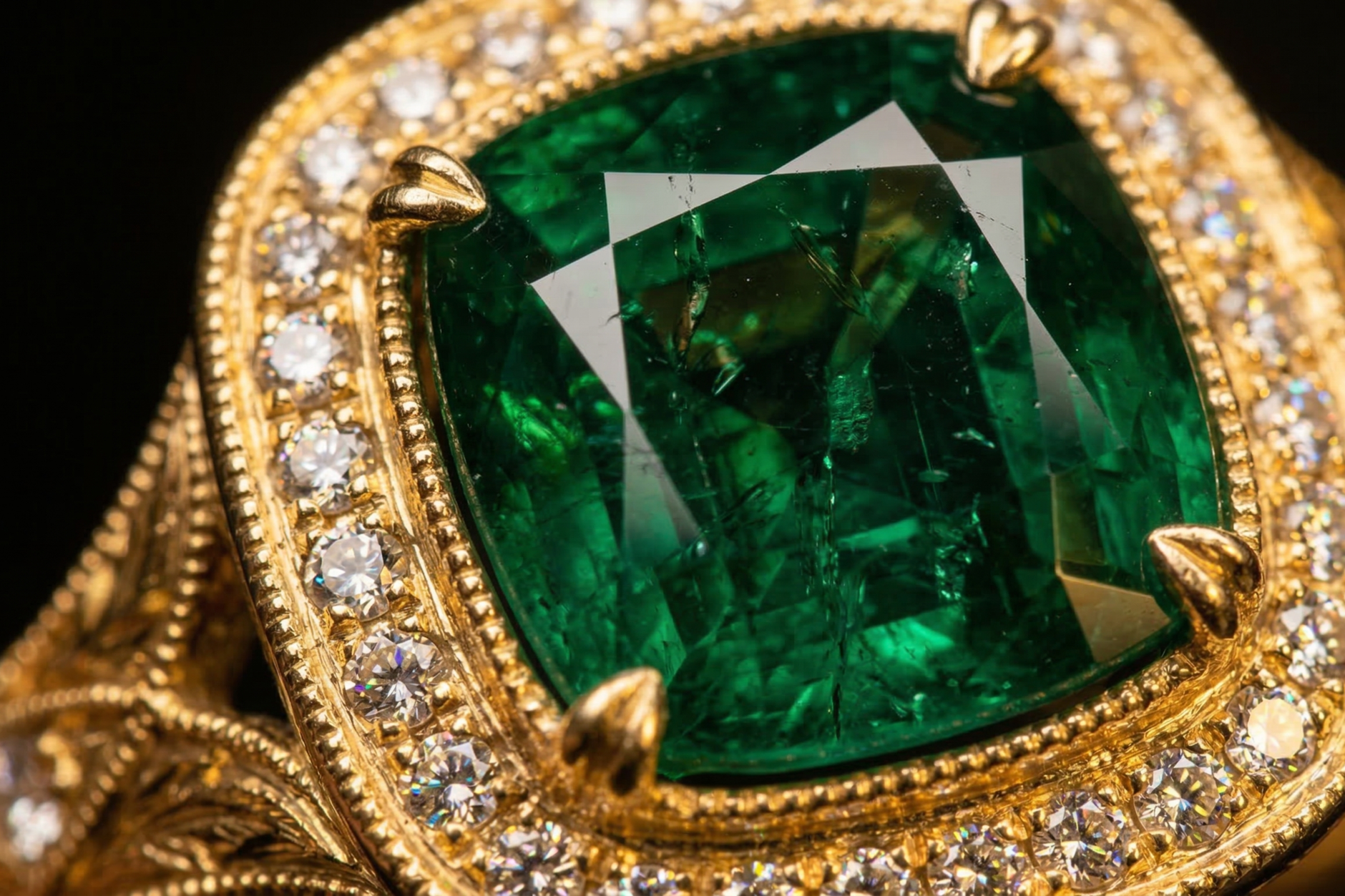
This is the part nobody mentions. Jewelers Mutual, one of the biggest ring insurers, says premiums usually run 1% to 2% of the ring’s retail value per year, and coverage is based on retail replacement value. Most of us insure a ring once, at the number on the receipt or the appraisal the jeweler hands over, and never touch it again.
Here are real numbers. Say you insure The Knot’s average $4,300 lab ring at a midpoint 1.5%. That’s $64.50 a year. Now assume the retail price of an equivalent stone keeps falling 13% a year, roughly the pace wholesale fell this spring. That’s an assumption, not a forecast, but markups have held steady, so retail has every reason to follow wholesale down. After one year, replacing that ring costs about $3,741. After two years, $3,254.67. After five years, about $2,143.21. Your ring’s replacement cost has roughly halved.
If you never update the policy, you pay $64.50 every year on a $4,300 value, or $322.50 over five years. If you reappraise each year and insure the current value, the same five years cost $248.86. That’s $73.64 back in your pocket for a phone call once a year, and it grows every year you leave it alone. The bigger problem is what happens if you lose the ring in year five. A replacement-value policy is built around what a comparable ring costs when you file the claim, not what you paid five years earlier, so the payout tracks today’s cheaper stone. You’d have paid five years of premiums for coverage you could never fully use.
Every policy is different, so read yours. Ask the insurer two questions. Does it replace or pay cash, and on what valuation? And can you lower the scheduled value when you get a new appraisal? If the answer to the second is yes, put a yearly reappraisal on the calendar for your anniversary.
Spend on what holds up: the setting, not the carat
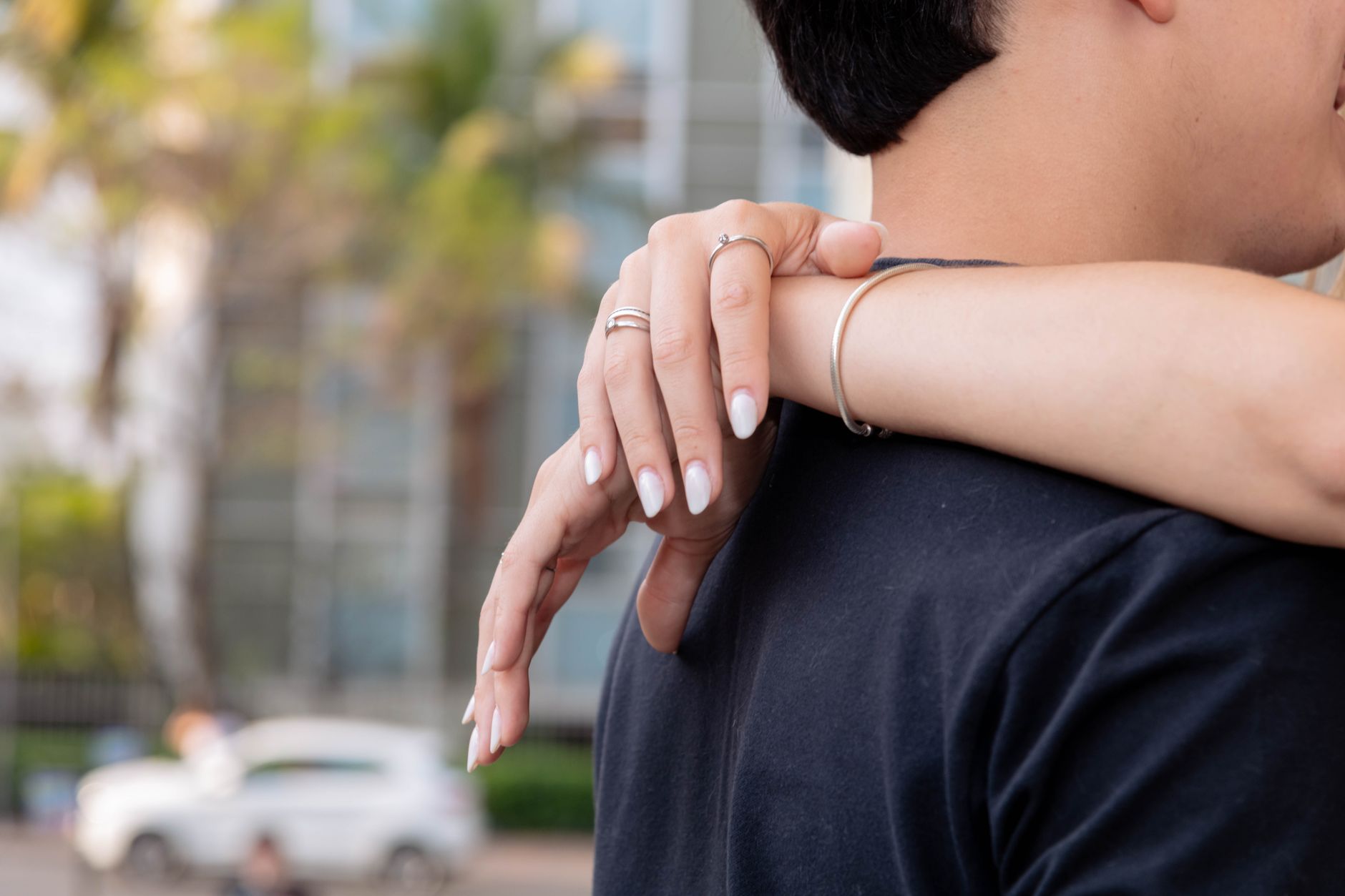
If the stone loses value and the metal doesn’t, the budget logic flips a little. A sturdier band and a well-made setting (prongs that won’t snag, a weight of gold that won’t bend) are the parts of the ring you’ll still be glad you paid for in ten years. The stone is the part whose price keeps sliding, so every extra dollar you put into carat weight is a dollar that starts shrinking the day you buy it.
Size inflation is the trap here. Average stones grew from 1.5 carats in 2021 to 1.7 in 2024, and lab-grown center stones averaged 2.0 carats last year. Bigger is the easiest upsell in the store because it feels like a bargain per carat. But “a lot of carat for the money” is a different promise than “money well spent,” and I’d rather see you put $500 into a setting you love than into an extra half carat you didn’t ask for.
Also make sure you know what you’re buying. The FTC’s Jewelry Guides say a lab-made stone has to be clearly described as “laboratory-grown,” “laboratory-created,” or similar, close to the word “diamond,” not buried in fine print. The FTC sent warning letters to eight companies over exactly this in 2019, and laid out the rules in a business guidance post that’s worth two minutes of your time. A grading report from an independent lab will also say whether the stone is mined or grown.
Why the budget talk matters more than the ring
I’ll admit the romantic in me doesn’t love running depreciation tables on an engagement ring. But money fights are real, and they start earlier than people think. Emory economists Andrew Francis-Tan and Hugo Mialon surveyed more than 3,000 people who had been married once and found that men who spent $2,000 to $4,000 on an engagement ring were 1.3 times as likely to divorce as men who spent $500 to $2,000. That’s a correlation, not proof that a pricey ring ends a marriage. Debt and mismatched expectations are the likelier culprits. Still, it’s a decent nudge to keep the number somewhere you both feel calm about.
Lab-grown makes that conversation easier, not harder. You can get the look you want for less, and if you go in knowing the stone won’t hold its price, you can decide together where the money should go instead. If you’re already merging finances, our guide to the money talk before moving in together has a script that works here too. And once the wedding invites start arriving for everyone else, here’s how much to spend on a wedding gift.
So here’s my take on the lab-grown engagement ring: buy the one that makes you happy every time you look at your hand. Just treat it like what it is. Spend for the setting, assume the resale value is zero, and reappraise the insurance every year. The sparkle doesn’t depreciate, but everything you pay around it can, and that part is yours to control.