
Michelle Bailey | Wellness
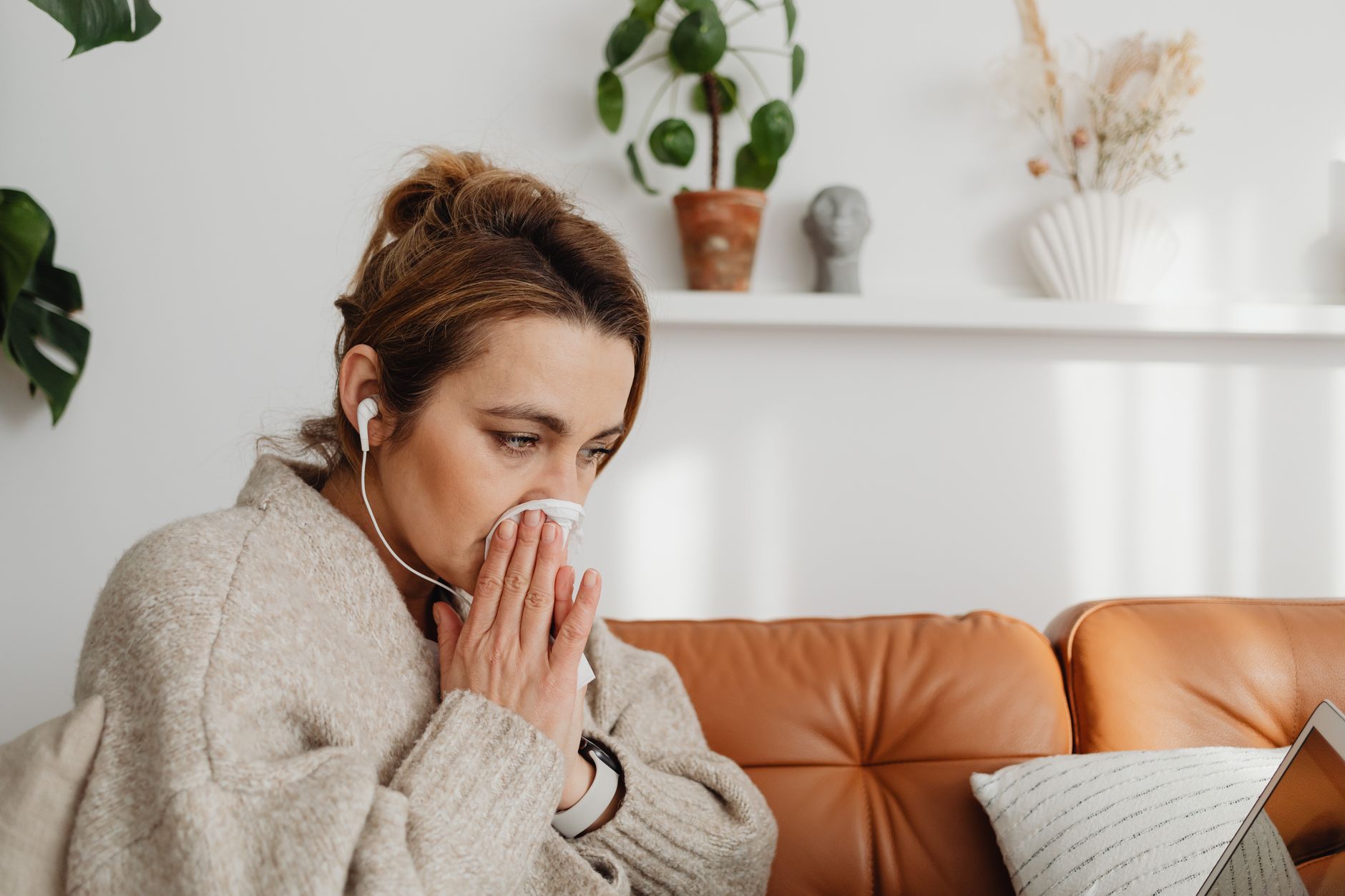
Last week I woke up with my eyes nearly glued shut, sneezed eleven times before coffee, and realized I had slept with the bedroom window cracked on the warmest night of April. I had spent $30 at the pharmacy that weekend and then invited the oak trees in for a sleepover. This allergy season, I’m changing where I put my effort, and I think you should too: the room where you spend eight hours with your face in a pillow matters more than which box you grab off the shelf.
Allergy season really is longer than the one you grew up with
If spring feels harder than it used to, you’re not imagining it. A University of Utah study published in the Proceedings of the National Academy of Sciences looked at 60 pollen stations across the U.S. and Canada from 1990 to 2018. Pollen seasons were starting about 20 days earlier by the end of that period, lasting about 10 days longer, and total pollen had risen roughly 21%. The researchers attributed about half of the lengthening to climate change.
This year’s Allergy Capitals report from the Asthma and Allergy Foundation of America, released in March, ranked Boise, Idaho, as the hardest place in the country to live with spring allergies. AAFA pointed to a wet winter, an early warm spring, and longer pollen seasons, and several Western cities landed in the top 20, a shift from the usual Southeast-heavy list. The usual Southeast suspects have company now.
Women are more likely to be dealing with it
According to the CDC’s National Center for Health Statistics, 29.9% of women had a diagnosed seasonal allergy in 2021, compared with 21.1% of men. That’s nearly a third of us. I don’t see that gap mentioned much in the usual spring allergy roundups, and it explains why so many of my friends compare antihistamines in the group chat every April.
A diagnosis also matters for a practical reason. Plenty of things can look like hay fever, including a cold that won’t quit or a sinus infection. If your symptoms are severe, if you have asthma, or if what’s on the drugstore shelf isn’t helping, talk to your doctor or an allergist before you start stacking products.
Late April is your last easy window before grass pollen
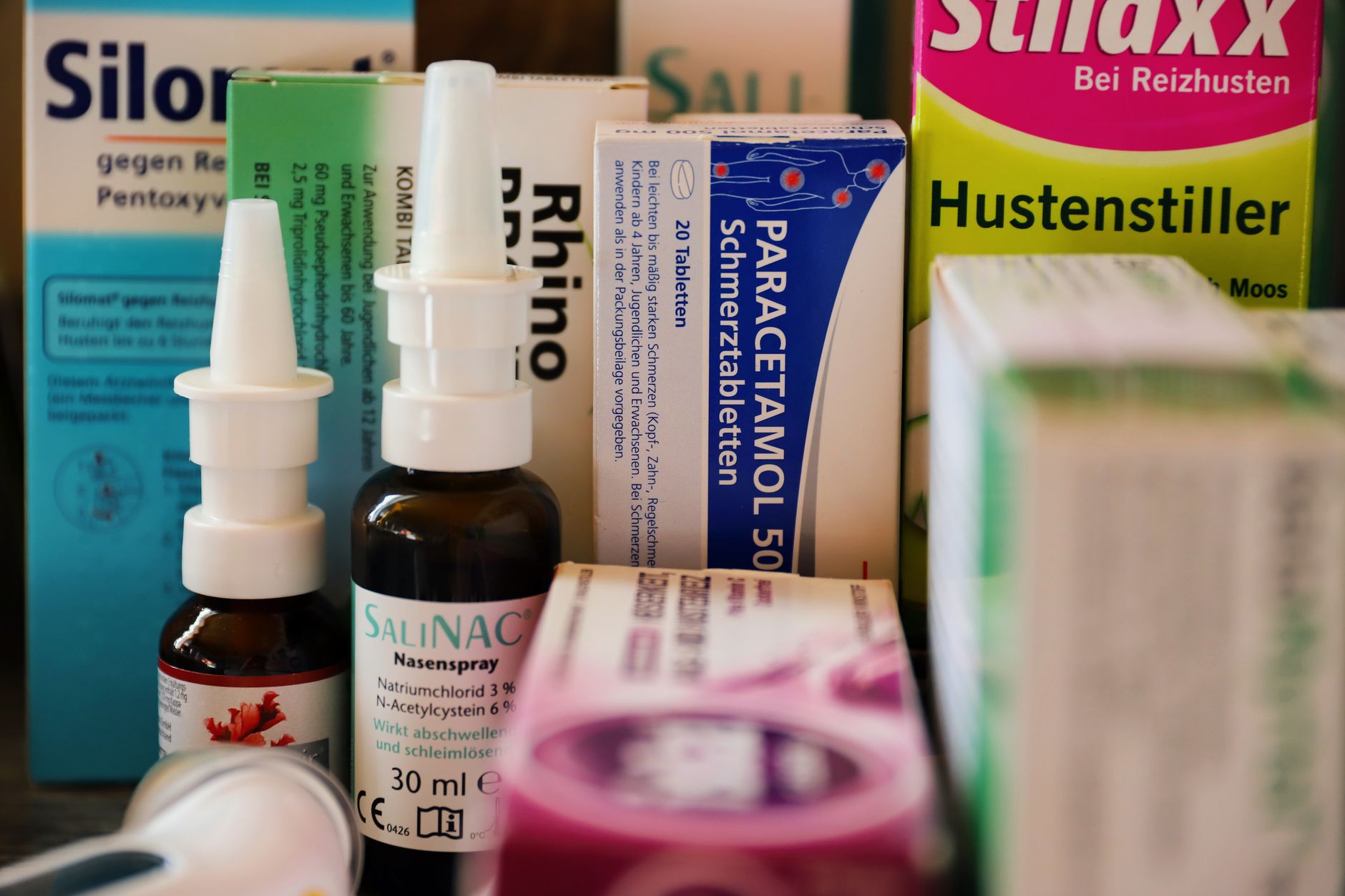
Most allergy season advice gets written in February and says the same thing: start your medicine before symptoms begin. That’s good advice, and Mayo Clinic says the same thing in its springtime allergies Q&A, noting that steroid nasal sprays can start working within a few days but may take a few weeks to reach full effect. The trouble is that by the end of April, most of us are already sneezing, and the February version of that advice feels useless.
Here’s the part the roundups skip. Tree pollen usually dominates early spring, and grass pollen tends to take over in late spring and early summer in much of the country. So if trees have already flattened you, late April is still “before” for the next wave. If your doctor has suggested a daily nasal spray, the end of April is a sensible time to make it a habit, so it’s working by the time the lawns start blooming.
Your bedroom is where allergy season is won or lost
The thing I can control best is the room I sleep in. I’m in there for a third of the day, my face is pressed against fabric that collects whatever floats in, and pollen that rides in on my hair goes straight onto my pillowcase.
Mayo Clinic’s advice to change your clothes and shower when you come inside sounds fussy until you think about where that pollen ends up. I now shower at night instead of in the morning from April through June, and I keep the clothes I wore outside out of the bedroom. When pollen counts are high, Mayo also recommends keeping doors and windows closed. That’s the step I ignored on the night of the eleven sneezes.
The other change I made this year was a HEPA air purifier sized for the room, and the sizing turned out to be the part most people get wrong.
The air purifier math for allergy season
The Association of Home Appliance Manufacturers sets a simple rule of thumb for room size: your air cleaner’s Clean Air Delivery Rate should be at least two thirds of the room’s floor area in square feet. CADR is rated separately for smoke, dust, and pollen, and a higher number means the unit clears that particle faster.
My bedroom is 12 by 14 feet, which is 168 square feet. Two thirds of 168 is 112, so I need a smoke CADR of at least 112. The Levoit Core 300, which HouseFresh reviewed in February, lists a smoke CADR of 126 and a pollen CADR of 154 for a $99.99 list price, so it clears the bar for my room with a little margin. A unit with a CADR of 80 would have looked fine on the box and been undersized.
Now the running cost. HouseFresh puts the standard replacement filter at $29.98 and suggests replacing it about every six months. In the first year that’s $99.99 plus two filters at $59.96, for $159.95 total, or about 44 cents a day. After that, it’s the filters alone, $59.96 a year, which is less than I used to spend on tissues and eye drops between April and June. If you’re in a larger bedroom, run the same calculation before you buy, because a purifier that’s too small just hums at you while the pollen stays put.
A purifier won’t fix a window left open, and it doesn’t replace treatment your doctor recommends. It does give you one room where the air is cleaner for the eight hours your body is trying to recover.
Keep the air comfortable while the windows stay shut
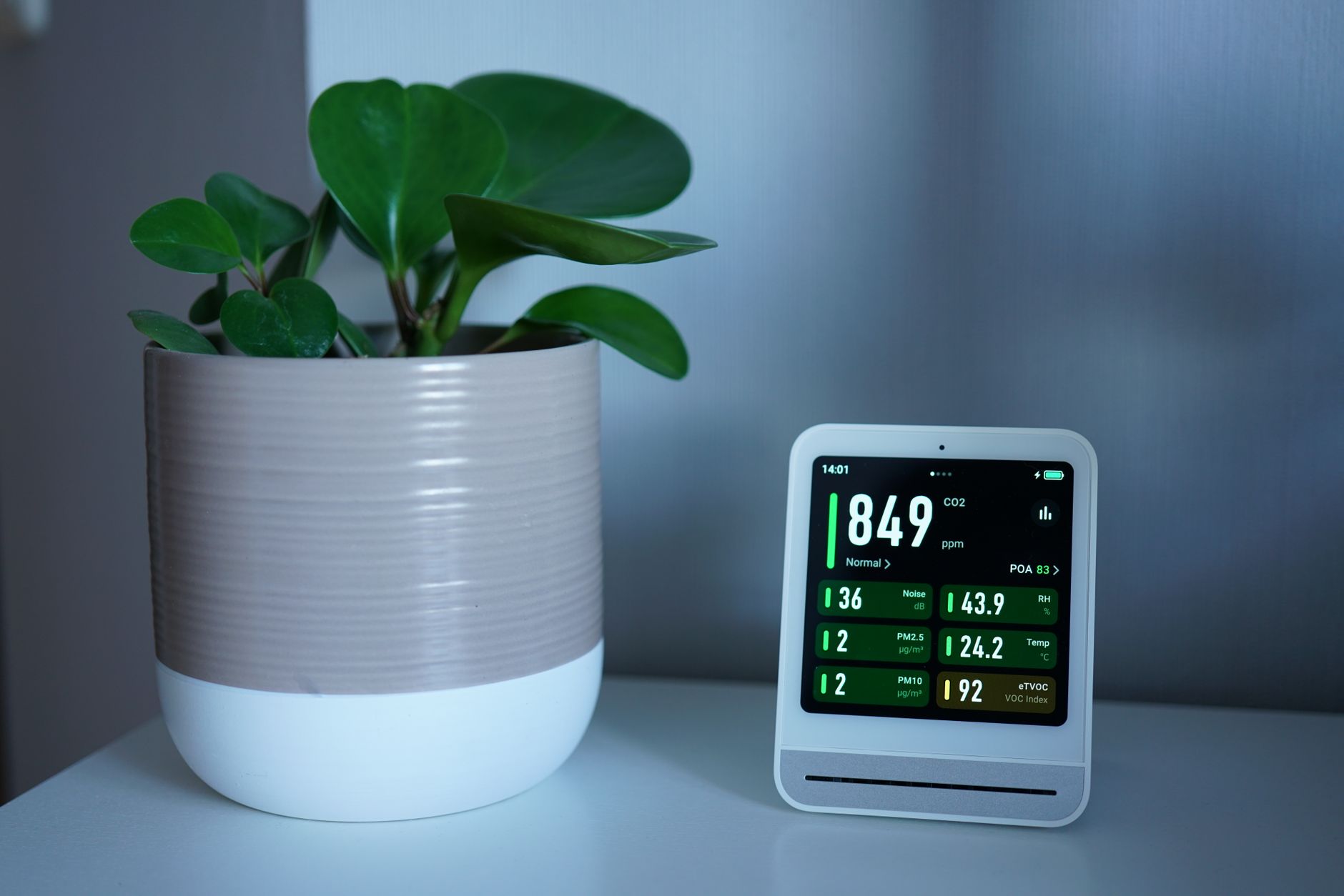
Closing the windows all spring has a side effect: the air indoors can get stale or dry, especially if you’re running heat on cool nights. I wrote about why indoor humidity matters for winter skin, and the same hygrometer I bought then has been useful now. I keep it on the nightstand, and if the room is getting too dry I adjust rather than throwing a window open at midnight.
Allergies also shouldn’t take the blame for everything. Chest tightness or real trouble breathing needs a doctor, not another antihistamine, and I’ve written before about how often women’s heart symptoms get brushed off as something minor.
Allergy season is going to keep showing up earlier, and I can’t do anything about the oaks on my street. I can decide what comes into my bedroom. Shower at night, keep outside clothes out, close the window on high-count days, and size the purifier with real numbers. That’s my whole plan for May, and I already slept better last night.