

Michelle Bailey | Fashion
Last weekend I wore a cute white cotton tee to a farmers market, and by 10 a.m. it was stuck to my back like wet paper. My friend showed up in a wrinkled linen shirt that looked like she’d slept in it, and she was the only one of us who looked comfortable. That’s when I finally accepted something I’d been resisting for years. In the linen vs cotton debate, linen wins when it’s really hot, and the wrinkles are a small price to pay.
This heat wave is also a fabric problem
If you’re in the middle of the country, you don’t need me to tell you it’s hot. Over the weekend the National Weather Service issued extreme heat watches and heat advisories across Illinois, Missouri, Kansas, Iowa, Nebraska, and South Dakota, and this is the second big round of heat alerts we’ve had in June.
Heat is a health issue first. CDC data cited by ABC last summer counted 2,394 heat-related deaths in the U.S. in 2024, after 2,415 in 2023. Clothing won’t protect you from that on its own, and if you feel dizzy, confused, or stop sweating, get inside and get help. But on an ordinary hot day, what you wear can make the difference between bearable and miserable, and most of us are choosing it based on color and cut alone.
Most summer clothes are made of the wrong fiber
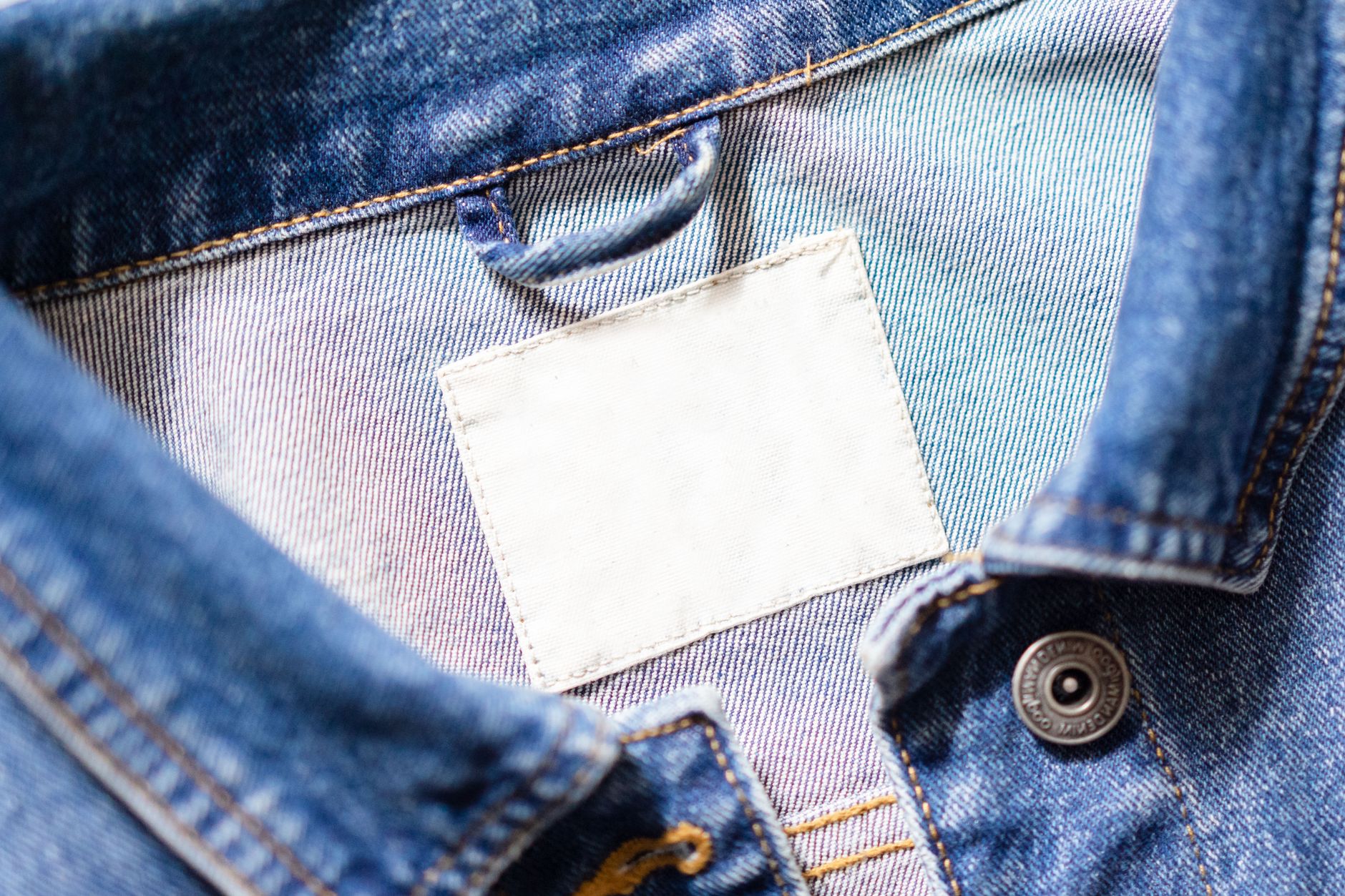
The standard heat wave advice says to wear loose, light-colored clothing. That’s true, and it’s also incomplete, because it skips the fiber tag. Textile Exchange’s Materials Market Report found that polyester made up 59% of all fiber produced worldwide in 2024, about 78 million tonnes. Cotton was 19%. Flax, the plant linen comes from, combined with hemp for about 0.5%.
So when you grab a light, airy-looking summer top off a rack, there’s a good chance it’s polyester. Regular polyester is poor at absorbing moisture, which is why a polyester blouse can feel like a plastic bag by noon. Athletic polyester treated to wick sweat is a different story, and it’s great for a run, but it isn’t what most fast-fashion summer tops are made of.
Linen beats cotton in humid heat, and the science is simple
Here’s the part that surprised me. I always assumed cotton was the best natural fiber for summer. Sundaresan Jayaraman, a materials science professor at Georgia Tech, explained in 2024 that linen is the better choice for hot, humid weather. Linen absorbs moisture quickly and moves it away from your body, and the fiber is stiff enough that it doesn’t cling to your skin. Cotton is soft and breathable, but it holds onto moisture longer, and its ribbon-like fibers trap water and stick to you. That’s my farmers market tee, explained.
Jayaraman also said cotton works well in less humid conditions or for shorter stretches in the heat. I find that useful, because it means you don’t have to throw out your tees. A cotton shirt is fine for running errands in dry heat. For a long, sticky day outside, linen is the better call.
The worked example: a linen shirt at 54 cents a wear
Linen has a reputation for being expensive, and some of it is. But the cost-per-wear math changes the picture. Quince’s 100% European Linen Camp Shirt runs $42. Say you wear it twice a week through a 13-week summer. That’s 26 wears a season. Linen is a sturdy fiber that tends to soften with washing, so assume you get three summers out of it: 26 times 3 is 78 wears. $42 divided by 78 is about 54 cents a wear.
Now compare a $15 polyester top from a fast-fashion site. If it’s uncomfortable enough that you only reach for it on cooler days, maybe 5 times a summer, and it pills or stretches out after two summers, that’s 10 wears. $15 divided by 10 is $1.50 a wear, nearly three times as much, and you were sweaty every single time.
Cost per wear is also how I think about my capsule wardrobe, and it’s why I’d rather own two linen shirts than six cheap tops I avoid in July.
Wrinkles are the deal, so style them on purpose
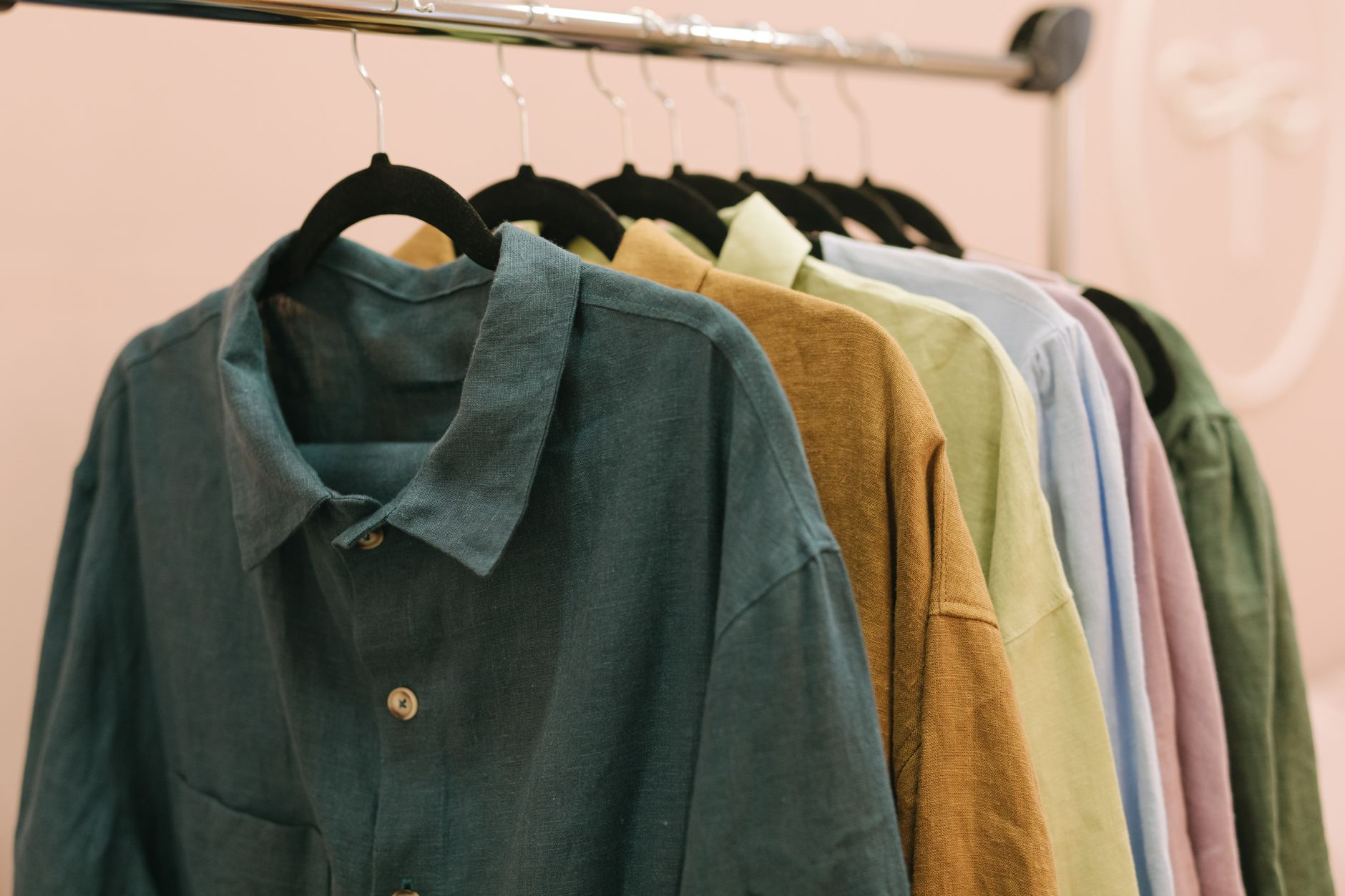
The one real downside of linen is wrinkling, and Jayaraman mentions it too. Linen often needs ironing if you want it crisp. I’ve decided I don’t. A relaxed, slightly rumpled linen shirt looks intentional when the rest of the outfit is simple: roll the sleeves, leave it untucked over shorts, or knot it at the waist over a linen skirt. If you need a sharper look for work, hang it in the bathroom while you shower and the steam takes out the worst of it.
Fit matters as much as fiber. A loose linen shirt lets air move between the fabric and your skin. A tight one, even in linen, traps heat. Size up if you’re between sizes, and look for longer sleeves you can roll, which also keep the sun off your arms.
Shop the tag, not the color
Next time you’re shopping for summer clothes, flip the tag before you look at the price. Look for 100% linen or a linen-heavy blend for long hot days, and cotton for dry heat and lighter wear. If it says polyester and it isn’t athletic wear, put it back unless you love it for some other reason.
Blends are a reasonable middle ground. A linen and cotton blend wrinkles less than pure linen and still breathes better than most polyester, which makes it a good pick for an office with a dress code. Be wary of anything sold as a “linen look” fabric. Those often borrow linen’s slubby texture while being made of polyester or viscose, and only the tag will tell you which one you’re holding.
If you’re doing a summer closet edit, the polyester pieces you never wear when it’s hot are good candidates for the donate bag. My Earth Day closet clean out has my rule for what’s worth reselling.
Linen vs cotton isn’t a contest you need to settle forever. In the dry heat, wear the tee. In a humid heat wave like this one, reach for the wrinkled linen shirt, and let everyone else wonder why you look so calm.