
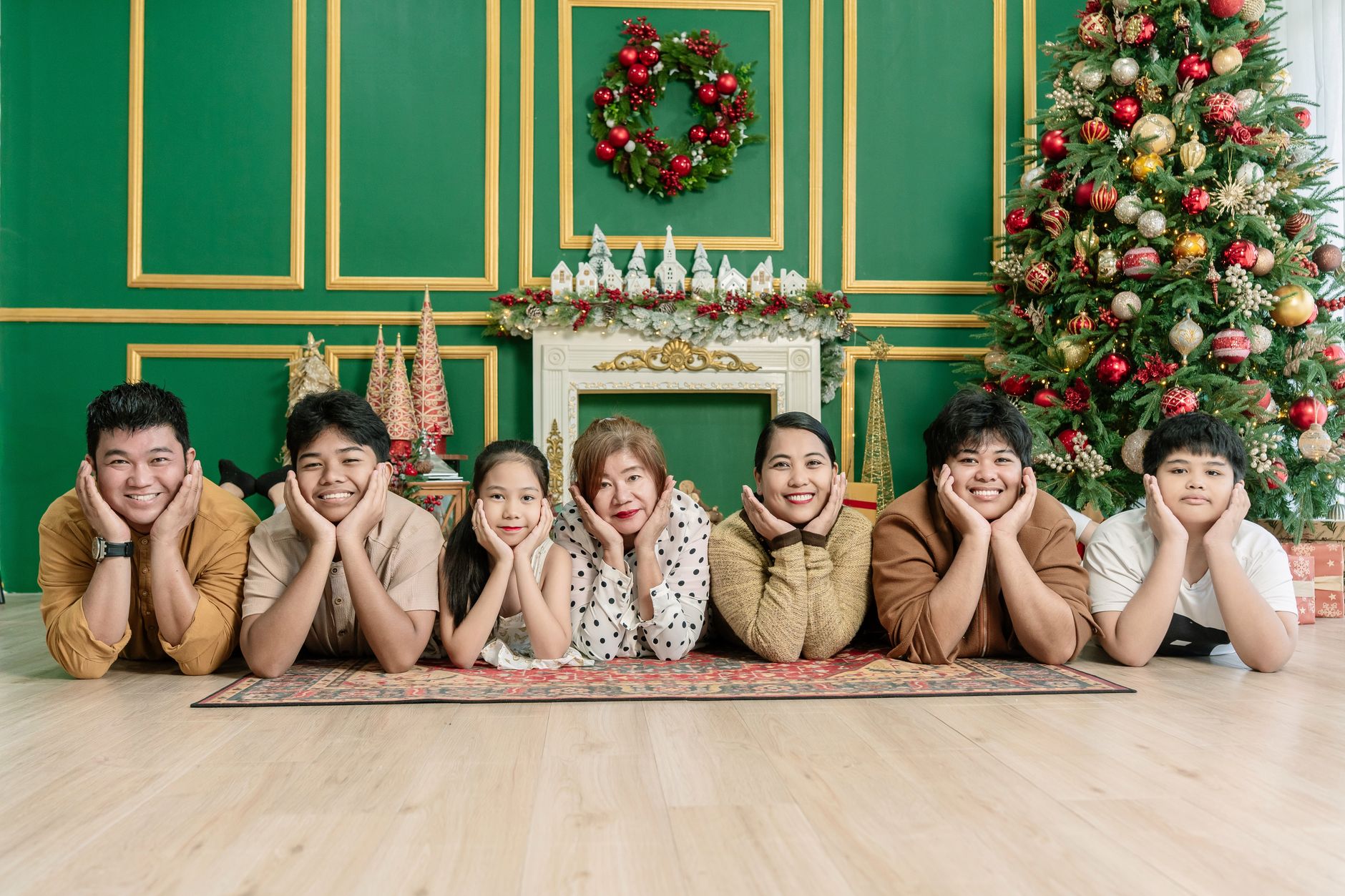
A ten-minute Christmas mini session in Scott City, Kansas, on December 5 costs $150. That’s one real photographer’s listing for this year, and it’s on the friendly end. ShootProof, which sells gallery software to professional photographers, tells its customers that holiday minis typically run $250 to $800 or more. Meanwhile the Bower Multi-Pod Max, a 67-inch phone tripod with a wireless remote, is $29.92 at Walmart. I’ve done the math on this one a few times, and my conclusion is that a DIY Christmas card photo beats the mini session for most of us, as long as you understand what the photographer was really selling you. Spoiler: it wasn’t the camera.
A mini session is mostly rented light and a deadline
Think about what happens at a mini. You show up at a spot someone has already scouted, at a time when the light is soft and flattering, and you get ten minutes in front of a person whose job is to make your kids look at the lens. Then you get a gallery a week later. All of that is useful. Almost none of it requires a professional camera body anymore.
Your phone has been doing most of your family’s photography for years anyway. Photutorial, which tracks global photo volume, estimates people took about 2.1 trillion photos in 2025, the overwhelming majority on smartphones. And we still send the result through the mail: the Greeting Card Association estimates Americans buy about 1.6 billion Christmas cards a year, and the U.S. Postal Service’s Household Diary Study counted more than 1.3 billion holiday greeting cards mailed in its 2018 fiscal year, roughly 43% of all the personal mail households sent. That’s a lot of paper riding on a photo you might be paying $15 a minute to get.
Three Christmases of minis cost $450, and the DIY Christmas card photo costs $29.92
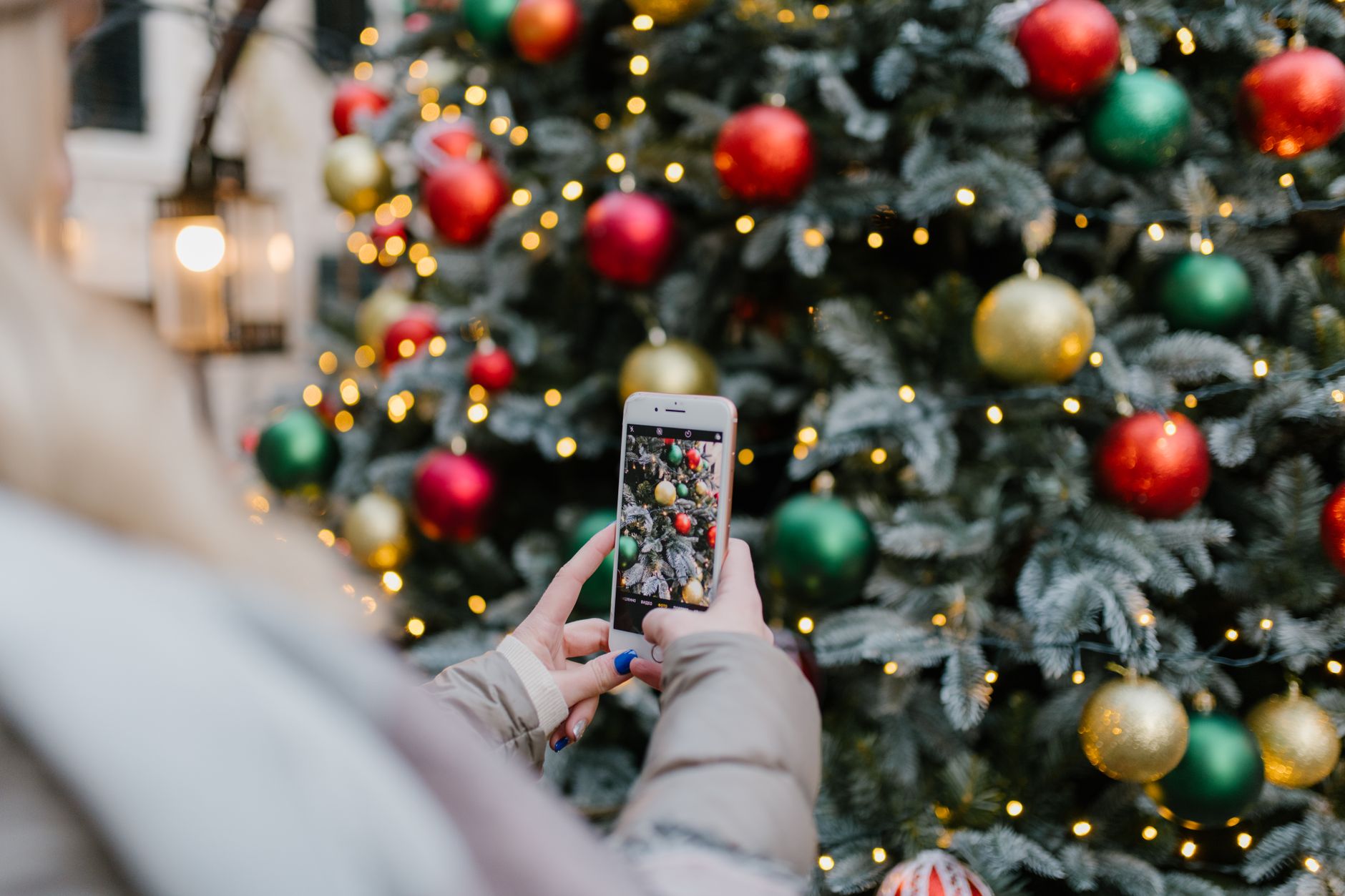
Start with the $150 Kansas mini as a best case, since Thumbtack puts the national average for a family portrait session at $150 to $200. Ten minutes for $150 is $15 a minute. Book it three Decembers in a row and you’ve spent $450. If you’re in a pricier market and pay the bottom of ShootProof’s holiday range, $250, three years costs $750.
The tripod is $29.92 once. It doesn’t expire. Spread over the same three Christmases, it costs about $10 a year, and you’ll use it for birthdays, the first day of school, and that one Easter when everyone was finally wearing shoes. Compared with three $150 minis, you keep about $420. Compared with three $250 minis, closer to $720.
There’s also the time math, which nobody puts in these comparisons. A mini gives you ten minutes. At home you can shoot for forty, take a snack break, and try again after nap time. With small kids, that extra half hour is often the difference between one keeper and five.
I’ll be fair to the pros, though. If you want every single person in the frame (including you), your kids are under three, and nobody in your house enjoys being bossed around by a remote, a good photographer is worth the money. Hiring one for that is a reasonable call, not a waste.
Your iPhone’s Night mode will quietly blur your kids
This is the mistake that wrecks a lot of evening holiday photos, and the popular DIY card guides I read before writing this skip it entirely. You set everyone up in front of the Christmas tree in the evening, the room is cozy and dim, and your iPhone decides it’s a low-light scene. According to Apple’s own support page, Night mode “automatically turns on when the camera detects a low-light environment,” and the capture can take several seconds, with a number on screen showing how long. Apple’s advice is to hold the phone steady until it finishes.
The phone on a tripod will hold still. Your four-year-old will not. Night mode keeps gathering light for those seconds, so anyone who moves comes out smeared while the tree looks gorgeous. The fix is buried in the same Apple page: turning on Live Photos or the flash deactivates Night mode. Or, my preference, skip the problem by adding light. Turn on every lamp you own, open the curtains, and shoot before dark.
Window light at midday does the photographer’s job for free
If the pros are selling light, steal it. The best light in most homes in December is a big window around midday, when the sun is up but not blasting straight in. Put your people a few feet from the window, facing it or angled toward it, and stand with your back to the glass. The light wraps softly around faces the way it does at those carefully timed outdoor minis.
Then set up the tripod at about chest height, which is more flattering than shooting down from above. Use the remote rather than the self-timer, since you can fire it the second your toddler finally smiles instead of hoping the countdown lines up. Shoot in bursts. Take more frames than feels reasonable. A card needs one great photo, and you’ll find it in the pile of forty.
If you do want the tree in the shot, the trick is distance. Move everyone a few feet in front of it so the lights fall out of focus behind them. Portrait mode on most phones will soften the background and turn the bulbs into those round glowing blurs everyone loves. I covered the basics of framing and composition in my beginner’s guide to camera settings and composition, and the same rules apply here: get the eyes about a third of the way down the frame, and clear the clutter off the side table before you start.
And if you’d like something a little more nostalgic than a crisp phone photo, the old digital camera trend makes a fun card too. A slightly flashy, grainy shot of the whole family on the couch is very 2026.
The DIY Christmas card photo wins once you control the light
For most families, the DIY Christmas card photo wins on cost, on time and on how many chances you get, as long as you control the light and keep Night mode from blurring anyone who moves. Spend $29.92 on a tripod with a remote, pick a bright window and a weekend morning, and give yourself forty minutes instead of ten. If you need a pro because your crew truly won’t cooperate, book one and don’t feel bad about it. Just know you’re paying for patience and light, and you can supply both at home.