

Every July, somebody in my group chat posts the same screenshot: a power bill with a number on it that makes us all wince. This year the number has a national version too. The National Energy Assistance Directors Association expects the average household to spend about $792 cooling the house this summer, up from $717 last year, and nearly 40% more than in 2020. So when people ask me for the best thermostat setting for summer, I give them the boring federal answer first and then the part nobody bothers to explain. The 78 degrees you keep hearing about is where you start, and the real savings show up when you stop treating it as the finish line.
The 78 degree rule is a starting point for when you’re home
The number comes from ENERGY STAR’s thermostat guidance, which suggests 78°F while you’re home and awake. That advice went viral a few summers ago, mostly because people found it outrageous. I get it. If you’ve been living at 72, 78 sounds like a punishment.
What the viral posts left out is the rest of the schedule. The same guidance assumes you let the house drift warmer when you’re asleep or out, and that matters more than the daytime number. The Department of Energy’s Energy Saver team puts it plainly: you can save as much as 10% a year on heating and cooling by moving your thermostat 7 to 10 degrees from its normal setting for 8 hours a day. Eight hours is a workday. If your house sits empty from 8:30 to 5, that’s most of the savings, and you never feel it.
So before you argue about 78, count how many hours a day your air conditioner spends cooling rooms nobody is in.
Cranking it to 68 doesn’t cool the house any faster
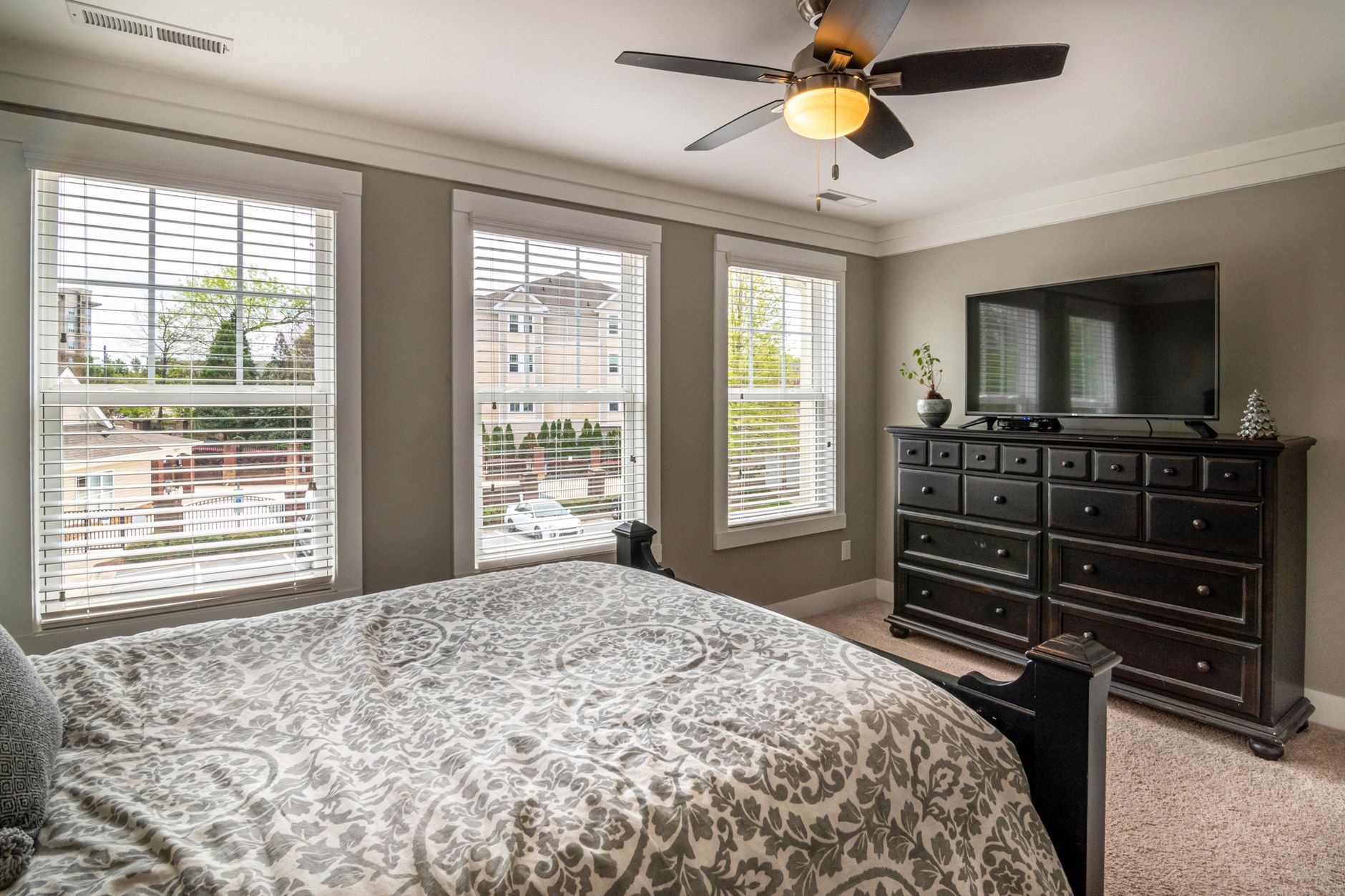
I used to come home on a hot afternoon and slam the thermostat down to 68, as if that would make the air conditioner hurry. It doesn’t. Energy Saver says this directly: setting the thermostat colder than normal when you turn the AC on won’t cool your home faster, and it risks overcooling and wasted energy. Your system blows cold air at the same rate whether the target is 76 or 68. A lower number only means it runs longer once you’ve forgotten about it.
The same page clears up the other myth that kept me from using setbacks, which is the idea that the system “works harder” to catch up after the house warms. A warmer house loses less of its cool air to the outdoors, so the hours it spends warm are hours you’re paying for less. A programmable or smart thermostat makes this automatic. Set it to start cooling 30 minutes before you usually get home and you walk into a normal house.
A ceiling fan is the cheapest 4 degrees you’ll ever buy
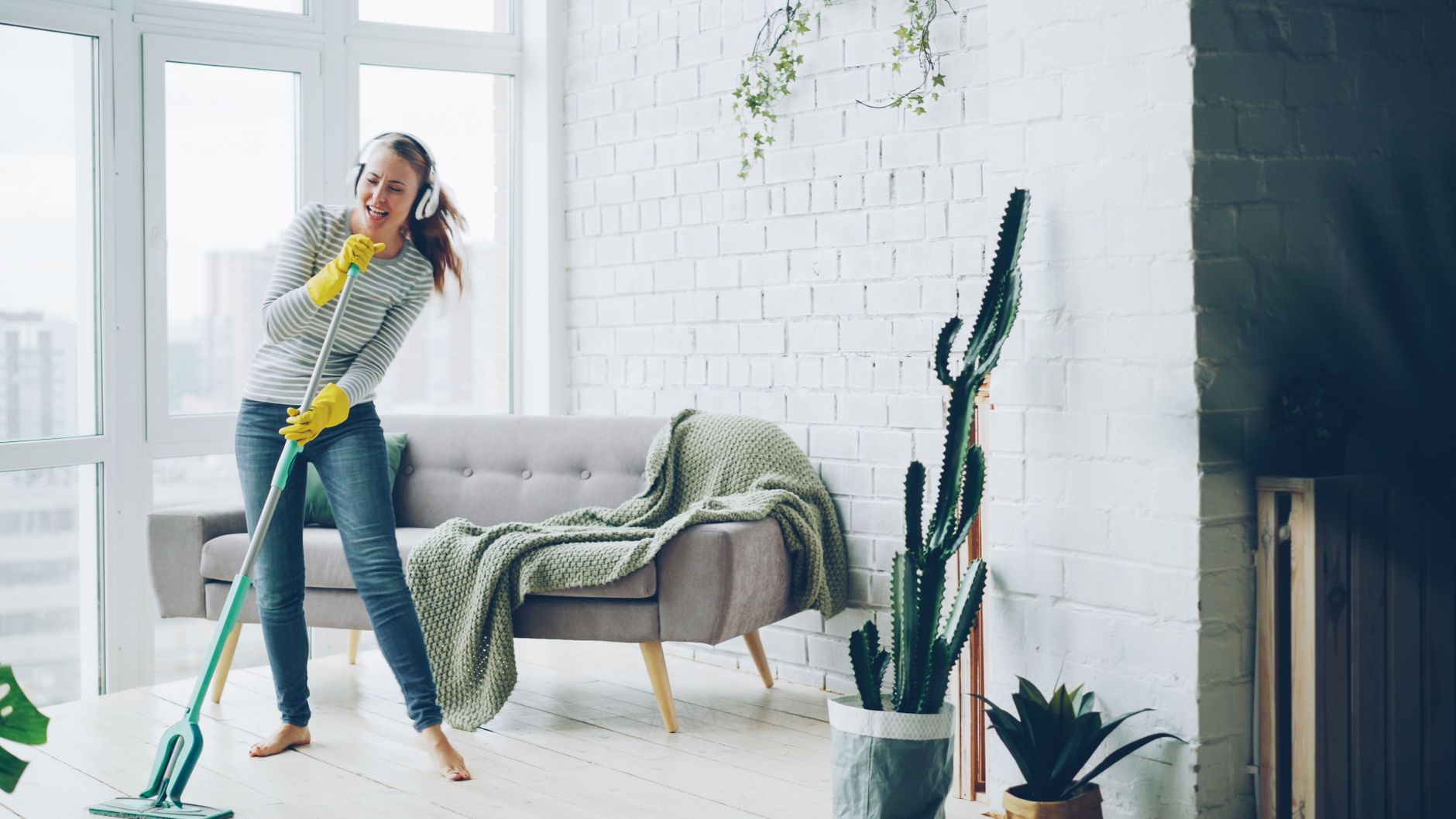
This is the part the top articles mention in one line and move past. With the AC running, a ceiling fan lets you raise the thermostat about 4°F with no loss of comfort, according to the Department of Energy. That takes you from 78 to 82 while feeling about the same.
The catch, and it’s the one that changed my habits, is that fans cool people, not rooms. They work through wind chill on your skin, so a fan spinning in an empty bedroom does nothing but use electricity. Turn it off when you leave. I put a little sticky note on our bedroom switch for the first week until it became automatic. If you’re shopping for one, ENERGY STAR certified ceiling fans move air about 20% more efficiently than standard models, and in summer the blades should spin counterclockwise when you look up at them, which pushes air down onto you.
The math on a $792 summer
Here’s how I ran the numbers for my own place, and you can swap in your own bill. Take that $792 average summer cooling cost. If your setback schedule earns something close to the 10% Energy Saver describes (and remember that figure covers heating and cooling over a full year, so treat it as a rough guide for the summer half), that’s about $79 back this season just from letting the house warm up while you’re at work.
Now the fan. A typical ceiling fan on a medium setting draws somewhere around 30 watts. Run it 6 hours a night and that’s 0.18 kilowatt-hours a day. At 18 cents per kilowatt-hour (check your own bill for your rate), the fan costs about 3 cents a night, or around $3 for a 100-day summer. Compare that with what the fan makes possible. A central air conditioner pulling about 3.5 kilowatts that runs one fewer hour a day because you set it 4 degrees higher saves 3.5 kilowatt-hours, which is 63 cents a day at the same rate. Over 100 days that’s $63, against $3 for the fan.
Put the two together and you’re looking at roughly $140 a summer in this example, before you touch the blinds or replace anything. Your house, your climate, and your system will change the totals, but the ratio is what I want you to see. The fan costs pennies and buys back dollars.
Fix the rest of the room before you buy a new thermostat
Smart thermostats are fun, and I own one, but I’d spend money on them last. If you’re home all day, the schedule savings shrink, and a fan plus closed blinds on the sunny side of the house will do more. I keep the west-facing blinds shut from about 2 p.m. on, and the living room stays noticeably cooler by dinner.
Humidity matters too. Air that feels sticky at 78 feels fine at 78 once the AC has had time to dry it out, which is one more reason to avoid short blasts of 68 followed by shutting everything off. I wrote about how much indoor humidity affects your skin in winter in this piece on dry skin and room humidity, and the same cheap hygrometer works in July. If it reads above about 60%, the room will feel warmer than the thermostat says. And if your bedroom is the hottest room in the house, it might be worth looking at the bed itself; I did the cost-per-night math on mattresses earlier this year, and cooling materials were part of it.
My best thermostat setting for summer, start to finish
Here’s the routine I’d hand a friend. Keep it at 78 when you’re home and awake, add a ceiling fan in whatever room you’re actually sitting in, and nudge the thermostat to 80 or 82 once the fan is on. Let the house drift up 7 to 10 degrees while you’re at work and have it start cooling half an hour before you get back. Turn fans off when you leave a room. Never drop the setting below normal to “catch up.”
The best thermostat setting for summer doesn’t require you to be uncomfortable. It just stops you from paying to cool empty rooms and from fighting your own air conditioner. With summer bills climbing another 10% this year, I’ll take the savings that cost 3 cents a night.