
In 2000, a psychologist named Arthur Aron tied couples together at the wrist and ankle with Velcro and had them crawl across gym mats, pushing a foam cylinder with their heads and bodies, racing a clock. It took about seven minutes. Afterward, those couples reported feeling more satisfied with their relationships than couples given a slow, ordinary task. I think about that study every February when I see the Valentine’s Day date ideas that fill my feed, because almost none of them involve anything new.
My case is simple and a little contrary: the best Valentine’s date this year isn’t the nicest one you can afford. It’s the most unfamiliar one you can stand. A fancy dinner is pleasant, and pleasant is fine, but the research on what keeps couples feeling close points somewhere else entirely, and it’s usually cheaper.
We’re about to spend a record on a pleasant night
The National Retail Federation released its annual Valentine’s survey on January 27, and the numbers are big. Americans plan to spend a record $29.1 billion this year, up from $27.5 billion in 2025. The average person celebrating expects to spend $199.78. Of the people buying gifts, 83% are shopping for a partner, and 39% plan to give “an evening out,” which adds up to $6.3 billion on dinners and nights on the town.
I’m not against any of that. Look at what the money mostly buys, though: the same restaurant format, the same flowers, the same box of chocolates as last year. Those are lovely. They’re also exactly the kind of experience your brain files under “familiar.”
The research on Valentine’s Day date ideas favors novelty over nice
Aron’s 2000 study, published in the Journal of Personality and Social Psychology with several colleagues, wasn’t a one off. It built on a 1993 study led by Charlotte Reissman with Aron as a coauthor, which asked married couples to spend 90 minutes a week for ten weeks on activities they rated as either “exciting” or merely “pleasant.” The couples doing exciting things showed bigger gains in marital satisfaction than the pleasant group.
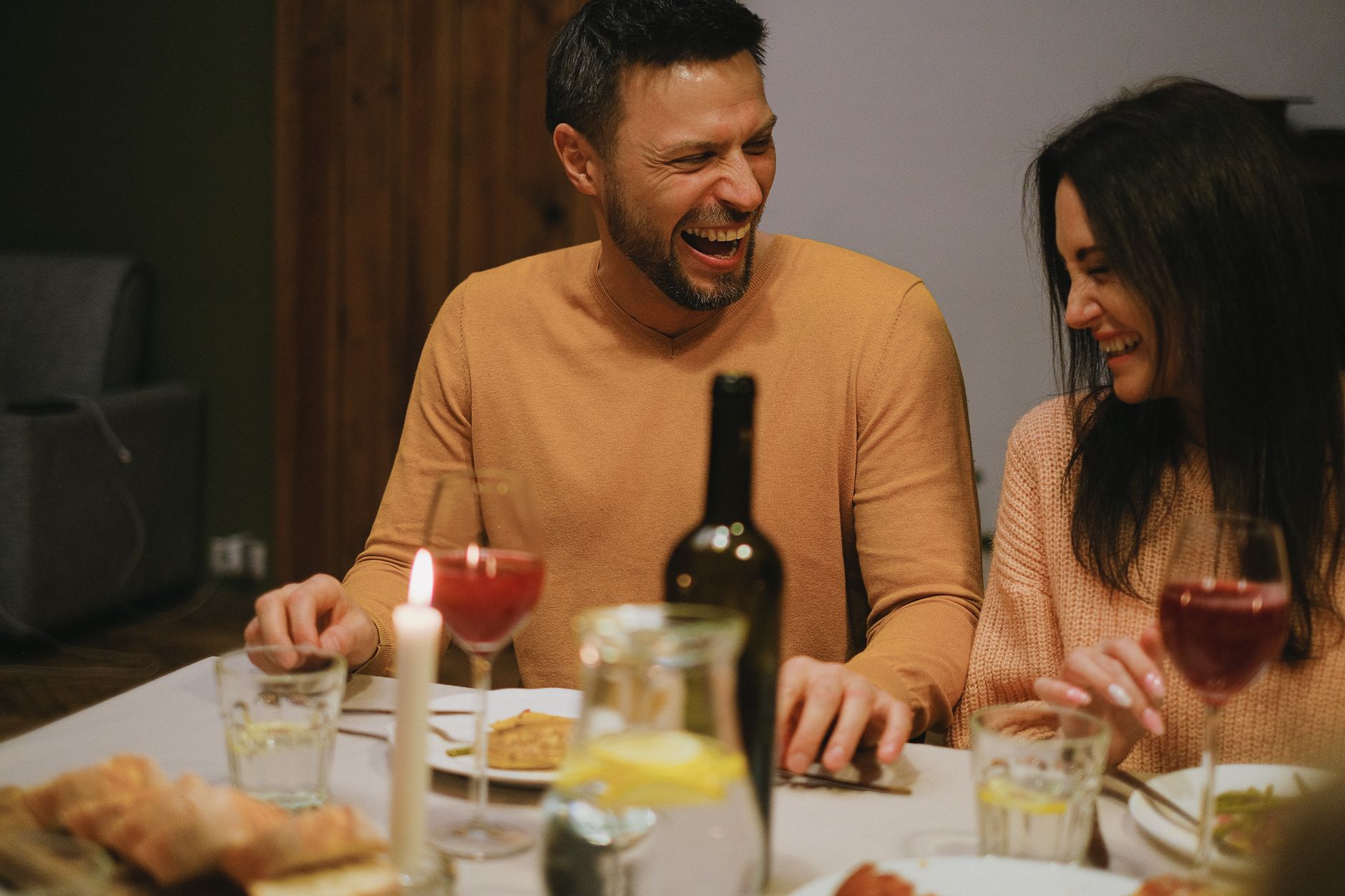
The researchers’ explanation comes down to where your brain files the good feelings. Early in a relationship, everything is new, and you link that buzz of newness to your partner. A few years in, the routine is comfortable, and comfortable doesn’t produce much of a spark. When you do something unfamiliar together, especially something a little challenging, the energy of the activity gets attached to the person next to you. A candlelit dinner at a restaurant you both like is a nice evening, but it’s the same nice evening you’ve had before.
So the question to ask about any date idea isn’t “is this romantic?” It’s “have we done this before, and will it make us a bit nervous?”
A novel date is usually cheaper than a fancy dinner

Here’s the comparison I ran for my own Valentine’s plans. A prix fixe dinner for two on February 14 at a nice place near me is $150 before drinks, and the dozen roses that go with it are about $60 on Valentine’s week, when florists raise prices. Total: $210, which happens to land just above that NRF average of $199.78.
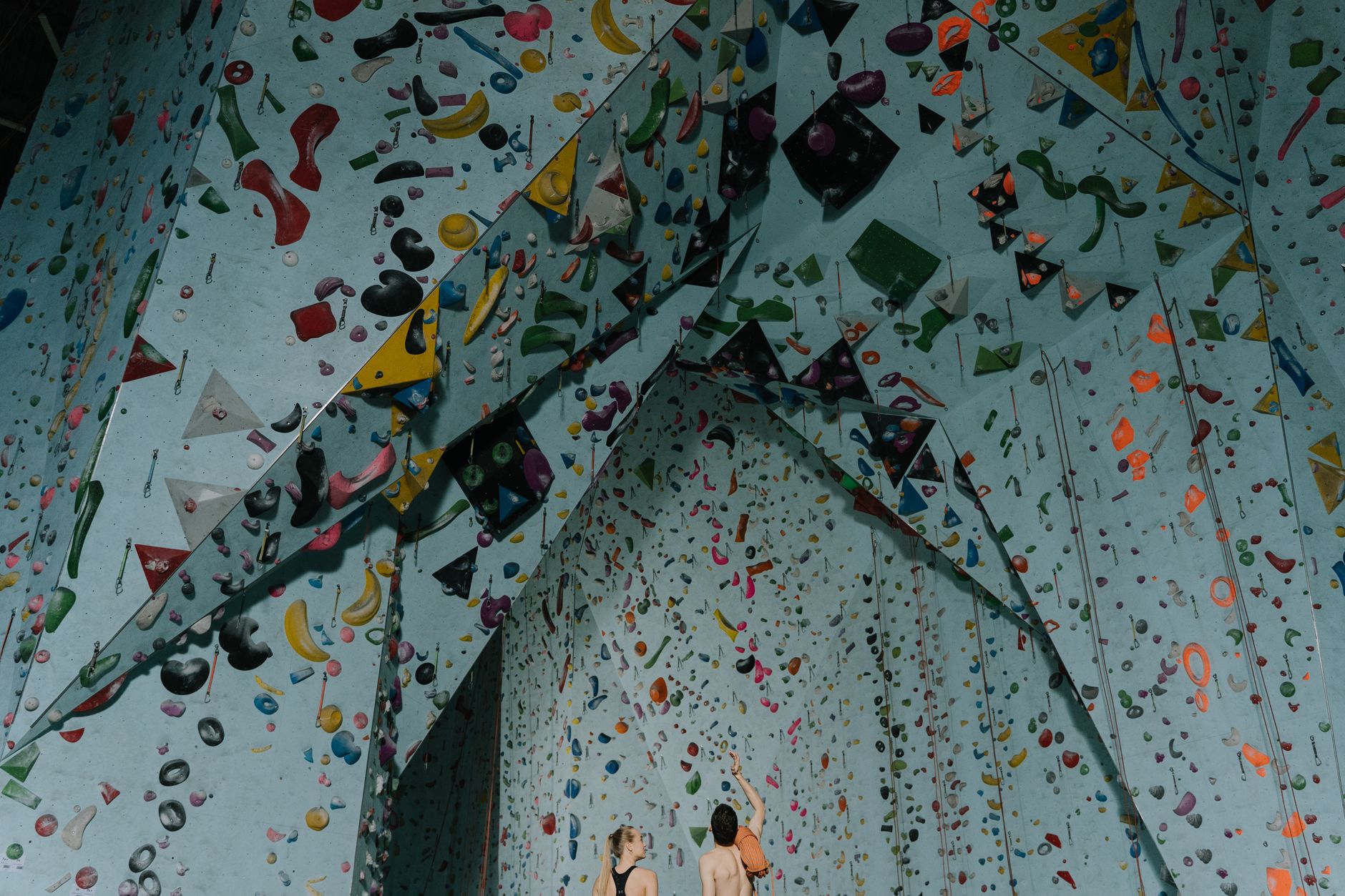
Now the novel version. A beginner climbing session at our local bouldering gym is $30 a person for a day pass, plus $6 each for shoe rental. That’s $36 times two, or $72. Afterward, we’re going to get tacos, which will run about $35 for two. Total: $107. That’s $103 less than the dinner and roses, and by the research, it’s the better bet for actually feeling closer.
You don’t need climbing. A pottery wheel class, a salsa lesson, a trivia night where neither of you knows the format, a hike on a trail you’ve never walked, or cooking a cuisine neither of you has tried all work. The rules are that it’s new to both of you, and that it involves a little effort or uncertainty. Watching your partner fall off the easiest wall at the gym and laugh about it is the point.
What matters most happens in the small moments around the date
The other piece of research I keep coming back to is from John Gottman, whose lab followed newlywed couples for six years. The Gottman Institute reports that the couples who were still married at the six year mark had “turned toward” each other’s small bids for attention 86% of the time. The couples who divorced had done it 33% of the time.
A bid is anything small: “look at this,” a sigh, a joke, a hand on your arm. Turning toward means responding to it rather than ignoring it or brushing it off. This is why I like active, unfamiliar dates. You can’t scroll your phone halfway up a climbing wall. You’re constantly checking in with each other, cheering, laughing, offering a hand. The whole evening is a string of small bids and answers. I wrote more about this kind of everyday communication in my older post on building communication skills in a relationship, and it holds up.
Use the money you save on something you’ll both remember
If the $103 difference feels like it should go somewhere, put it toward the next new thing. My partner and I keep a running list on our phones of things neither of us has done, and we try to cross one off every month or two. It’s a far better use of money than a single expensive night that feels almost the same as last year’s.
And if you’d rather stay home on the 14th, which is a Saturday this year and will be packed everywhere, the same principle works on the couch. Learn a dance from a video together. Attempt a recipe that’s beyond both of you. Do one of those 36 questions lists that Aron’s lab also created, the ones designed to make strangers feel close, and see what you learn about someone you thought you knew completely.
Pick the Valentine’s Day date idea that makes you a little nervous
There’s nothing wrong with roses and a reservation, and if that’s what your partner loves, do it. But if you’ve done the same Valentine’s dinner three years running and it’s starting to feel like a chore on the calendar, change the format rather than the restaurant.
Out of all the Valentine’s Day date ideas you’ll see this week, the one that will probably do the most for your relationship is the one where neither of you knows what you’re doing. Book the class. Wear the rental shoes. Let yourselves be bad at something together.