
Michelle Bailey | Beauty
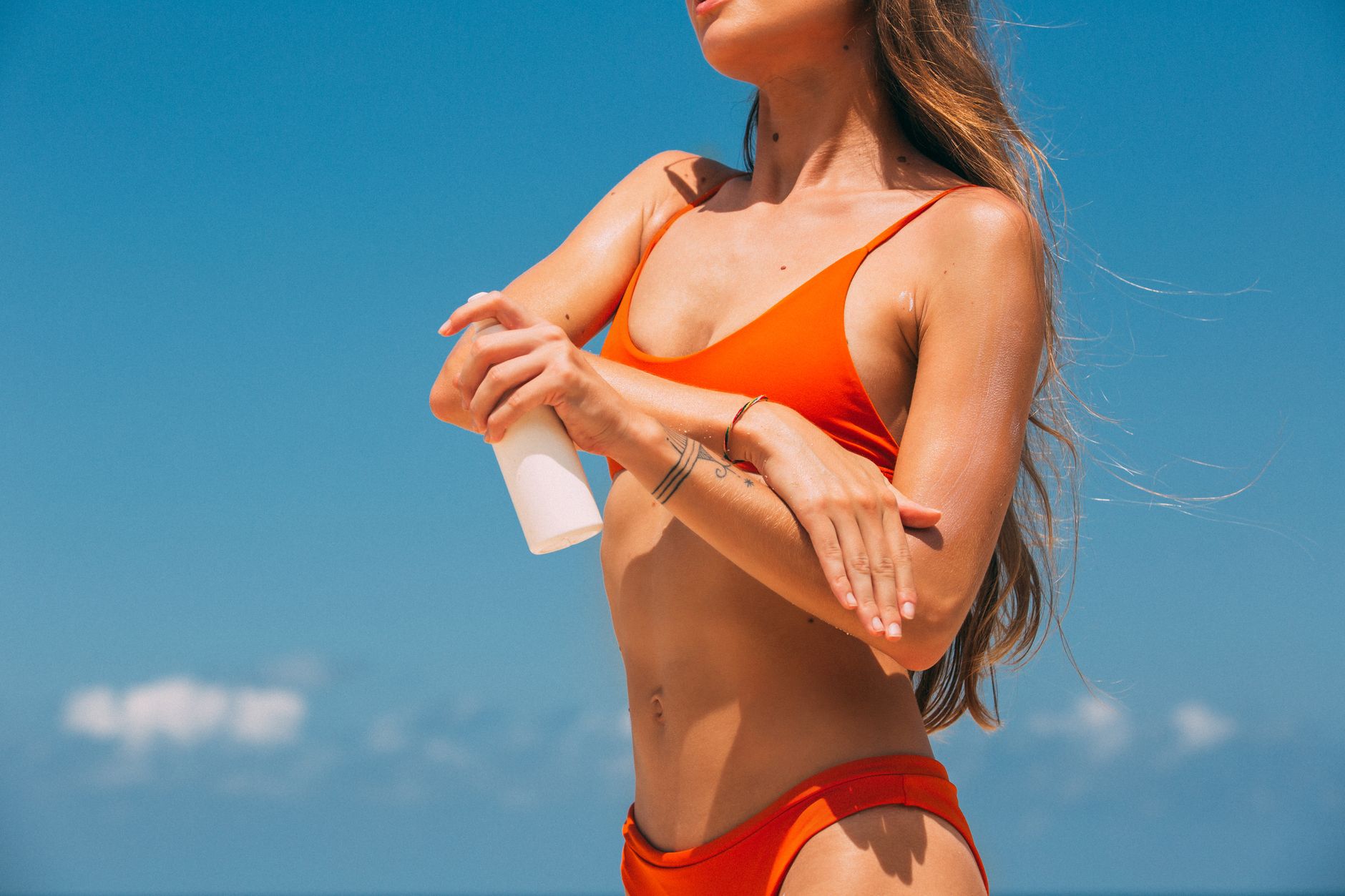
Last summer I came home from a lake weekend with a sunburn in the exact shape of my swimsuit straps, and I was truly offended, because I had worn sunscreen the entire time. SPF 50. Reapplied, sort of. It turns out I’m in very large company, and the reason has almost nothing to do with which bottle I bought. Before you pack for the long weekend, figure out how much sunscreen you actually need, because I promise it’s more than what’s in your beach bag.
Most sunburns happen to people who wore sunscreen
On Thursday the CDC published a report in its Morbidity and Mortality Weekly Report on sunburn among U.S. adults, using 2024 national survey data. About 35% of adults had at least one sunburn in the previous year, roughly 88 million people. The part that stopped me: among adults who got burned, 55.1% said their most recent sunburn happened while they were using sunscreen. For women, it was 64.3%.
Nearly two out of three women who got sunburned were wearing sunscreen when it happened. The same report found that water activities were involved in 65% of women’s most recent sunburns, which is basically a description of Memorial Day weekend.
So the problem for most of us isn’t remembering sunscreen. It’s using it the way the label assumes we do.
The SPF on the bottle assumes you use far more than you do
SPF is measured in a lab with a thick layer of sunscreen: 2 milligrams per square centimeter of skin. Almost nobody puts on that much. Researchers at King’s College London reported in 2018 that because people apply sunscreen more thinly than the testing standard, an SPF 50 applied the typical way gives at best about 40% of the protection on the label.
That’s why I don’t think the answer is buying SPF 100. Most beauty guides spend their energy comparing formulas and SPF numbers. The bigger lever is volume. A generous layer of a solid SPF 30 or 50 will do more for you than a stingy layer of anything.
How much sunscreen you need for your body and face
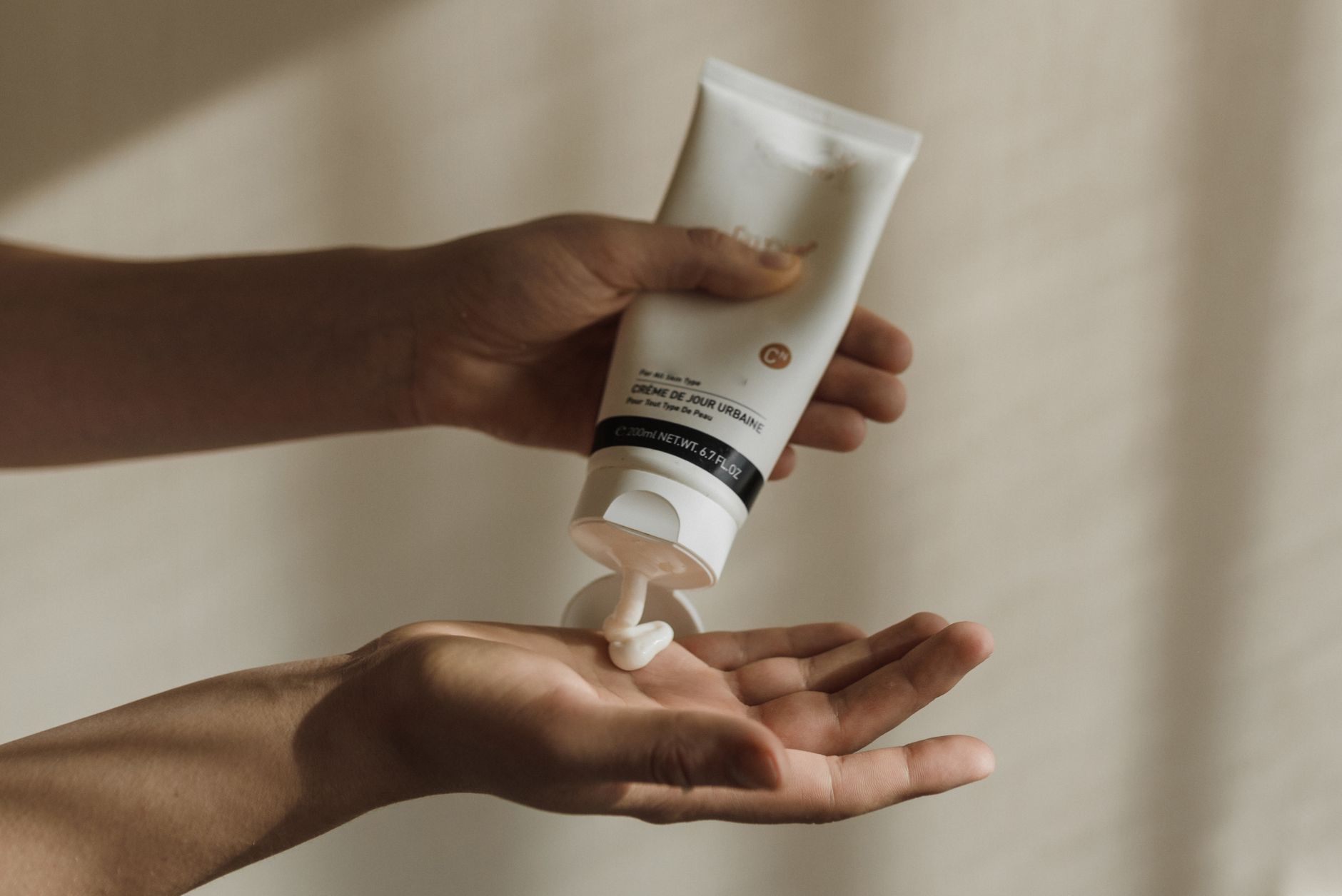
UCLA Health’s guidance is the one I keep coming back to because it’s easy to picture. For your body, use about one ounce of sunscreen, roughly a shot glass or six teaspoons. Reapply after two hours, and also after swimming or heavy sweating.
For your face, UCLA suggests two finger lengths: squeeze a line of sunscreen from the base of your index and middle fingers to the tips. If you’ve never done this, try it in the mirror tonight. It looks like far too much, and it’s the amount the SPF number was built around. Don’t forget your ears, your hairline, and the back of your neck, which are the spots I always find burned the next morning.
Run the Memorial Day sunscreen math before you pack
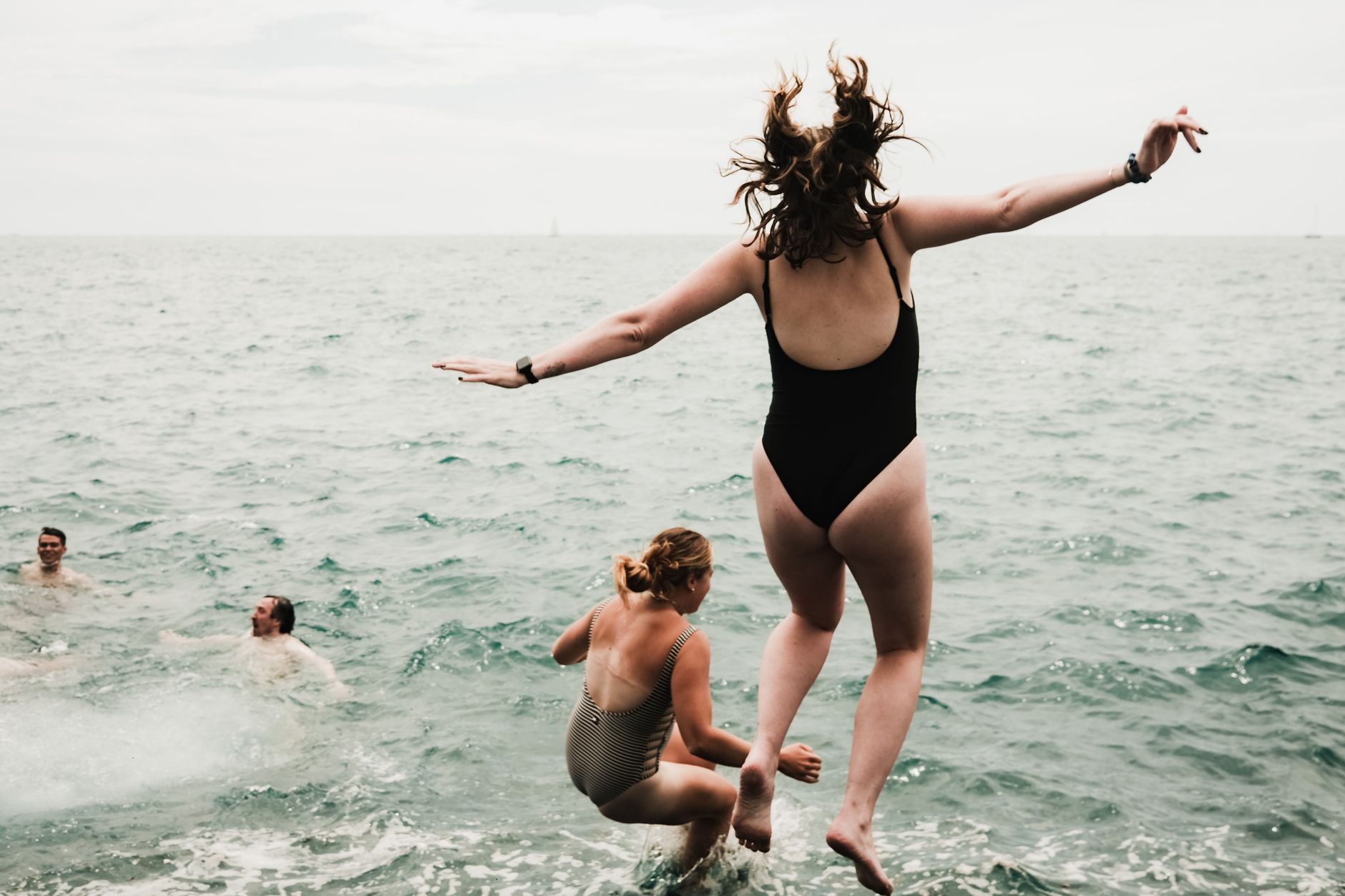
Here’s where it gets real. Take a beach or lake day from 10 a.m. to 4 p.m. You apply once before you leave and reapply every two hours, at noon, 2 p.m., and once more if you’re swimming late in the afternoon. That’s four applications at one ounce each, or 4 ounces in one day.
An 8-ounce bottle of Coppertone WaterBabies SPF 50, which Consumer Reports has ranked among its top sunscreens, runs about $17 at Walmart. At 4 ounces a day, that bottle lasts two days. For a three-day Memorial Day weekend outside, you need 12 ounces, or one and a half bottles. At about $2.13 per ounce, that’s roughly $25.50 in sunscreen for the weekend.
Now compare that with what most of us actually do, which is bring one bottle and come home with half of it left. If you only used 4 ounces across three days, you put on about a third of what you needed, and you paid for the sunburn anyway.
Your face follows the same logic on a smaller scale. Supergoop! PLAY Everyday Face Lotion SPF 50 is $16 for 1.7 ounces at Ulta. When I started measuring two finger lengths every morning, a tube that used to last me most of a season was gone in about six weeks. That works out to something like 38 cents a day. If a face sunscreen lasts you four months of daily wear, that’s a sign you’re using too little, not that you found a bargain.
Spend on the amount, not on the brand
Once I did this math, my sunscreen shopping changed. I still love a nice face sunscreen that sits well under makeup, because I’ll actually wear it every day. For my body on a beach weekend, though, I buy the big, affordable bottles and use them like I mean it. A $17 bottle used generously protects you better than a $40 bottle you ration.
Sunscreen is also the step every anti-aging skincare routine depends on, so it deserves real budget. Pay for the formula you’ll happily reapply, and put the rest of the money into quantity.
Better sunscreen ingredients are coming, slowly
There is some good news on the formula side. In December, the FDA proposed adding bemotrizinol to the list of sunscreen ingredients allowed in the U.S., the first new active ingredient proposed in decades. It’s a broad-spectrum UVA and UVB filter that has been used in Europe, Australia, and Asia for years, and the FDA’s review found low absorption through the skin. The comment period closed in January, and it still needs a final order before it can show up in American sunscreens.
That’s exciting for people who’ve been jealous of European sunscreens. It won’t help you this weekend, though, and even the best filter in the world only protects you at the amount the label assumes.
Make reapplying easy enough that you’ll do it
The routine that finally worked for me is boring. I put the sunscreen on at home before I get dressed, so I’m not trying to reach my back in a parking lot. I set a phone alarm for every two hours. I keep a stick for my face and ears in my bag, because I’m far more likely to reapply something that doesn’t get on my sunglasses. And I put a second full bottle in the cooler, so running out is never the reason I skip it.
This weekend, measure your shot glass of sunscreen, set the alarm, and bring more than you think you need. Knowing how much sunscreen you really need is the cheapest skincare upgrade you’ll make all summer.