

Booking your flight on a Tuesday saves you 1.3%. That’s the whole trick, according to Google’s own flight data, and it’s the tip I see repeated most often every January when friends start asking how to find the cheapest time to fly. On a $400 ticket, 1.3% buys you a coffee. Meanwhile the dates you’re staring at right now, the stretch between mid January and the start of March, are some of the cheapest of the entire year to be in the air, and most people spend them at home recovering from December.
I’ve stopped saving my trips for spring and summer. My best travel value every year now comes from a short trip I book in mid January and take before spring break prices kick in. The booking day barely matters. What matters is which day you fly, how far ahead you book, and whether you’ll accept a layover.
The cheapest time to fly is right after the holidays
Expedia looked at its own booking data before the 2024 holidays and found that domestic flights run about 10% cheaper in January, while international fares bottom out in February at roughly 15% below the December peak. The same report found average ticket prices to Rome, Barcelona, and Montreal down 15% or more compared with summer.
None of this is a mystery once you think about who travels when. The holidays are over, kids are back in school, business travel hasn’t fully ramped up, and spring break is still weeks away. Airlines fill those seats with lower fares. The one exception to watch in 2026 is the long weekend of February 14 to 16, when Valentine’s Day lands on a Saturday right before Presidents’ Day. Expect that weekend to price like a holiday, and plan around it.
Which day you fly matters ten times more than when you book
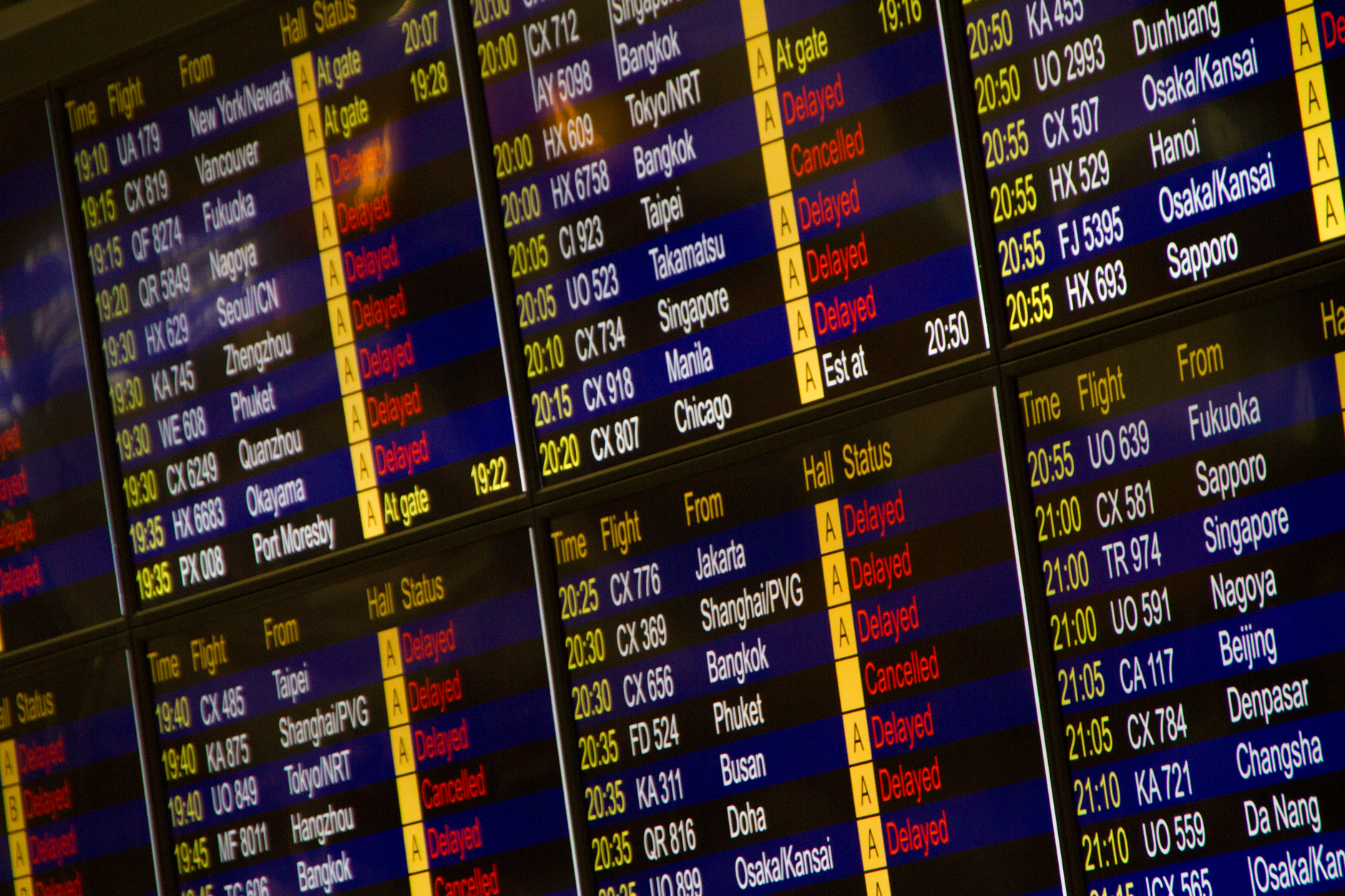
When Google published its travel data in September 2025, the numbers took apart the Tuesday myth pretty thoroughly. Flying out Monday through Wednesday averaged about 13% cheaper than flying on a weekend. Booking on a Tuesday rather than a Sunday, the famous trick, saved 1.3%. So the day you click “purchase” is close to irrelevant, and the day your plane takes off is where the money is.
That changes how I plan a short trip. Instead of a Friday to Sunday weekend, I look at a Monday departure with a Thursday or Friday return, or a Tuesday to Saturday. If you have paid time off left over from last year or a flexible remote schedule, this is the moment to use it. If you’re curious how I approach cold weather destinations specifically, my older guide to snowy retreats and winter adventures still holds up for picking a place.
Book domestic trips about 39 days out, not three months
Google’s data also showed when prices hit their lowest on average. For domestic flights, the sweet spot was 39 days before departure, with a low price range between 23 and 51 days out. International flights were cheapest at 49 days or more. Spring break trips in March or April were lowest about 43 days ahead, and trips to Mexico or the Caribbean around 50 days ahead.
Run that forward from today, January 17. Thirty nine days out is February 25. Forty three days out is March 1. So if you’re thinking about a domestic trip in late February, or a beach week over spring break, the lowest prices are landing in your booking window right about now. Waiting until the week before is how you end up paying peak fares for an off peak trip.
The tool I use for this costs nothing. Google Flights lets you set a price alert on a route and emails you when it moves. If you want someone else to do the hunting, Going (the service formerly called Scott’s Cheap Flights) sells a Premium membership for $49 a year that sends fare alerts from your home airports. I’d only pay for it if you take at least two trips a year and you’re flexible on destination, since the deals come to you rather than the other way around.
A layover is the biggest single discount you can choose

The largest number in Google’s report wasn’t about timing at all. Taking a connecting flight instead of a nonstop saved about 22% on average. I know layovers are nobody’s favorite, but on a short domestic trip a 90 minute connection is a fair trade for that kind of discount, especially if you’re carrying on.
Put the three discounts together and the savings get serious. Say the nonstop you want costs $420 round trip if you leave Friday and come home Sunday. Shift the trip to Monday through Thursday and the 13% midweek discount brings it to $365.40. Choose a one stop itinerary on those same days and the 22% layover discount brings it down to $285.01. That’s $134.99 saved per ticket. If you’re traveling with a friend, the two of you keep $269.98, which in my experience covers two or three dinners out, or most of a night in a decent hotel.
These are averages, so your route won’t match them to the dollar, and some routes simply don’t have a one stop option worth taking. Check the total travel time before you book: a connection that turns a two hour flight into a seven hour day costs you a vacation day, and that has a price too. But the order of operations holds: pick the window first, pick midweek days second, consider a connection third, and only then worry about the exact booking date.
Use the cheapest time to fly before spring break pricing starts
The window doesn’t last. Once March arrives, spring break demand pushes up fares on the warm weather routes, and by April people are booking summer. So my rule is simple. Sometime in the next week, I pick two or three places I’d be happy to go, set Google Flights alerts for midweek dates between late January and early March, and book when a fare drops into a range I’m comfortable with.
For 2026, that means skipping the Valentine’s and Presidents’ Day weekend, aiming for a Monday or Tuesday departure, and booking domestic flights about five to six weeks ahead. A European city like Rome or Barcelona in February will be cold and gray some days, and it will also be quieter and cheaper than it is all summer, which is a trade I’ll take every time.
The cheapest time to fly isn’t a secret day of the week. It’s the next six weeks, flown midweek, with a layover if you can stand one.