
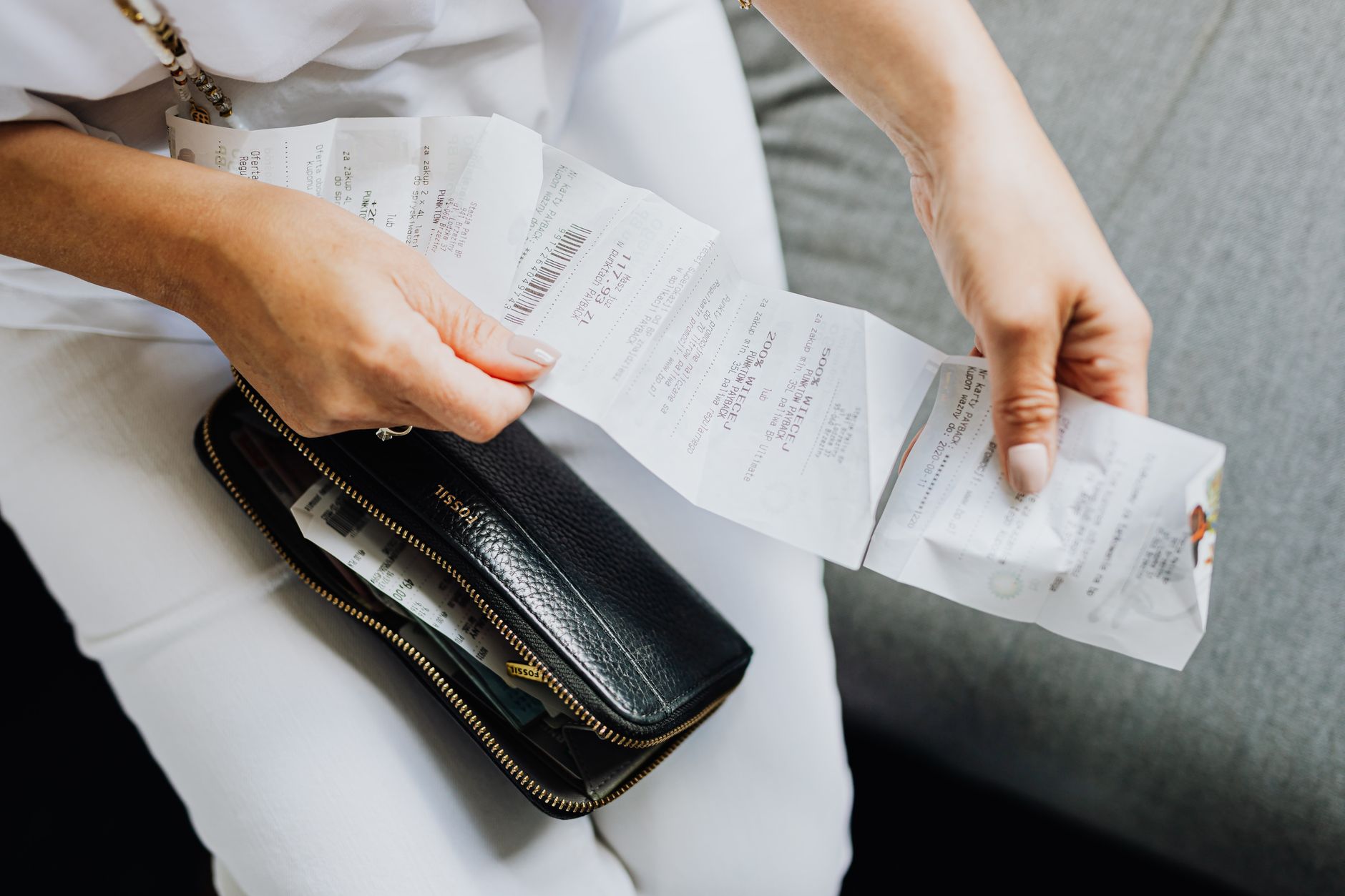
The National Retail Federation expected each of us to spend $890.49 on the 2025 holidays, and $627.93 of that on gifts alone. So here we are on January 2, wrapping paper still in the recycling, and half my group chat has announced a no spend January. I’ve done it three times. The first two went exactly the way most of them go: four virtuous weeks, then a February where I bought everything I had been “saving up” to buy. The third time I changed one thing, and that change was worth more than the whole month of not spending.
My take is that a no spend January, done the usual way, is a crash diet for your bank account. It works while you white-knuckle it and rebounds when you stop. The money that stays saved comes from the boring part almost nobody does in January: cancelling the recurring charges you’ve stopped noticing, and moving the money out of reach before February arrives.
A no spend January only touches a small slice of your budget
Most no spend rules exempt rent, utilities, insurance, groceries, and every bill on autopay. That makes sense, since you can’t skip rent for a month, but it also means the challenge only works on the flexible slice of your spending. That slice is smaller than it feels when you’re staring at a pile of December receipts.
The Bureau of Labor Statistics put out its latest Consumer Expenditure Survey numbers on December 19, 2025. The average American household spent $78,535 in 2024. Of that, $3,945 went to food away from home, $3,609 to entertainment, $2,001 to apparel and services, and $978 to personal care. Add those four up and you get $10,533 a year, or about $878 a month. That’s the whole pool a typical no spend month can draw from, and you won’t drain all of it, because some of it is a gym membership or a haircut you already booked.
The real number from a no spend month is about $526

Here’s the arithmetic I ran on my own spending, using the BLS averages so you can plug in yours. Restaurants and takeout average $328.75 a month. If you skip all of it, your grocery bill goes up, and in my kitchen that was about $120 extra, so the net saving is $208.75. Clothing and services average $166.75 a month, and a strict no shopping rule saves all of it. Entertainment averages $300.75, but a lot of that is fixed (streaming, pet costs, fees), so assume you trim half, or about $150.38.
Add the three together: $208.75 plus $166.75 plus $150.38 comes to $525.88. Call it $526 for one disciplined month. That’s real money, and I’m not knocking it. But it’s a one time number. If February looks like a normal month, or worse a catch up month, the annual effect rounds down to almost nothing.
The bigger leak is the money a no spend month lets you ignore
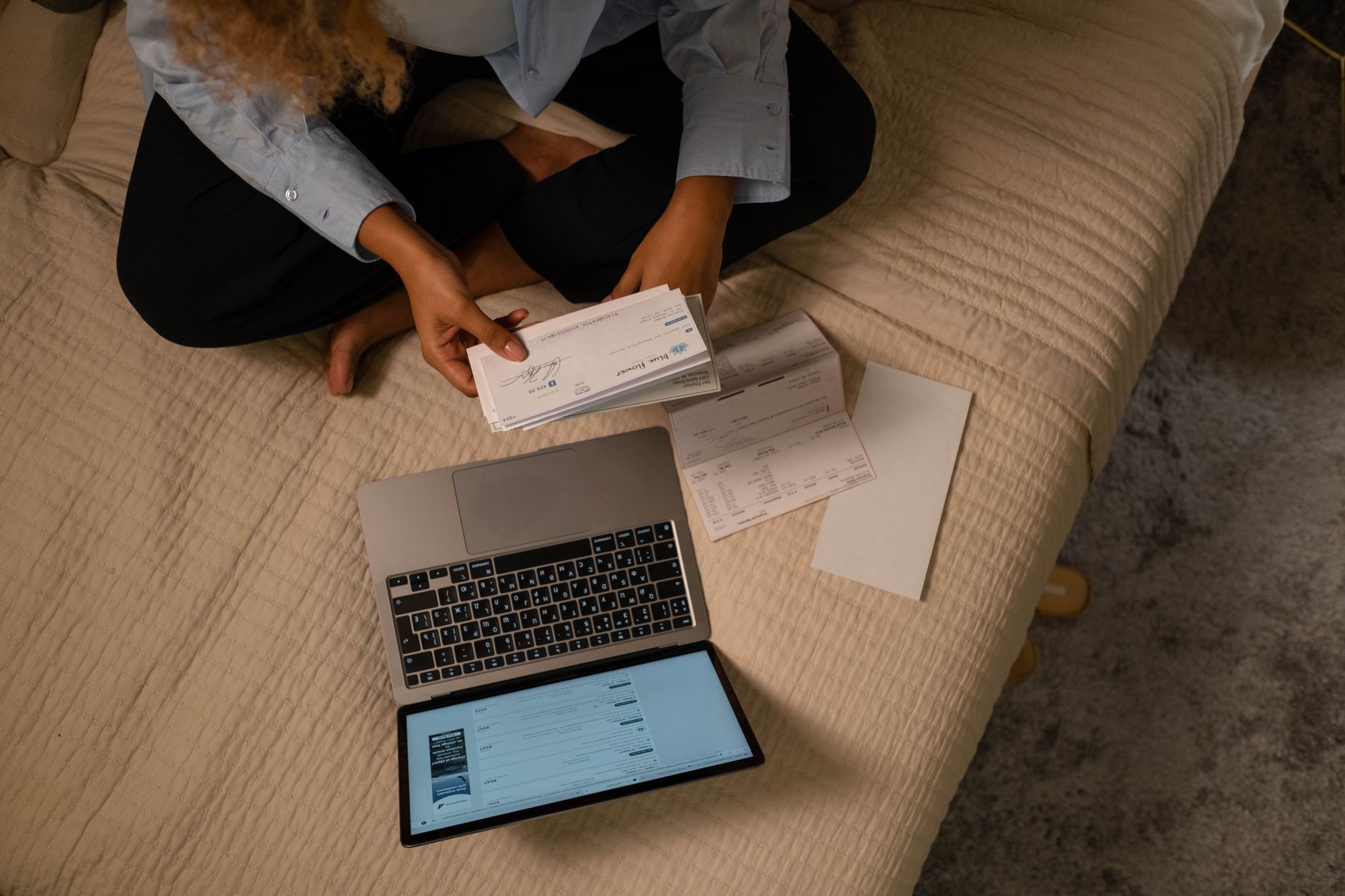
Subscriptions are the charges a no spend challenge waves through, because they feel like bills. They aren’t. They’re discretionary spending on autopay. When C+R Research asked Americans in 2022 to estimate what they spent on subscriptions each month, the average guess was $86. The actual average, once people went through their statements, was $219. That’s $133 a month people didn’t know they were spending.
There’s also no rule coming to rescue you. The Federal Trade Commission finalized a “click to cancel” rule in October 2024 that would have required companies to make cancelling as easy as signing up, and a federal appeals court threw it out in July 2025 before the main parts took effect. So the annoying cancellation flows are still legal, and the work of finding and ending these charges is still on you.
Now run the second worked example. Say your audit turns up three charges you’d forgotten: a $15.99 streaming tier you haven’t opened since the finale, an $11.99 app you downloaded for a single project, and a $9.99 cloud storage upgrade you don’t need since you cleaned out your camera roll. That’s $37.97 a month. Multiplied by 12, it’s $455.64 a year, and it keeps going every year after that with zero willpower required. One afternoon of cancelling gets you within $70 of an entire no spend month, and unlike the month, it doesn’t rebound.
A low spend January with an audit beats a strict one
This is the version that finally worked for me. I don’t go to zero anymore. I keep one dinner out with friends and one small budget for things that keep me sane, because a rule I’m going to break by the 12th teaches me nothing except that I break rules. Then I spend the first weekend of the month doing a full statement review.
I pull up the last three months of every card and account, because annual renewals and quarterly boxes hide from a single month’s statement. I highlight every recurring charge in one color, then ask a single question about each: would I sign up for this today, at this price? Anything that gets a no is cancelled that day, not “this week.” If a company makes it hard, I check whether I signed up through Apple or Google, since cancelling through the app store is usually two taps.
If you want the bigger budgeting picture, I went through the basics in my personal finance guide for women in their 20s and 30s, and the audit slots right into the “know where your money goes” step.
Your no spend January money has to leave your checking account
The single change that made my third January stick was moving the money before I could spend it. On the last day of the challenge I transferred the full amount I’d saved, the $500 or so, into a separate high yield savings account at a different bank. Then I set up an automatic transfer equal to the subscriptions I’d cancelled, $38 a month in my case, scheduled for the day after payday.
The point of the separate bank is friction. Money that sits in your checking account looks available, and money that looks available gets spent in February on whatever you “deserve” after a hard month. Money that takes two business days to come back tends to stay put. The automatic transfer does the same job for the subscription savings, which would otherwise quietly get absorbed into groceries and takeout without you ever feeling richer.
If you’re carrying a credit card balance from the holidays, send the January savings there first. Card interest rates are high enough that paying down the balance usually beats any savings account rate, and that’s simple math rather than investment advice.
A no spend January is worth doing as a research month
Treat the month as research rather than punishment. Keep a note on your phone of every time you wanted to buy something and didn’t, because those notes tell you what you’ll be tempted by all year. Do the statement audit in the first week while your motivation is high. And decide today where the money goes on February 1, so the $526 you saved and the $456 a year you freed up both end up somewhere you’ll see them in December.
My first two challenges taught me I could go a month without takeout. The third one taught me I’d been paying $40 a month for things I didn’t remember owning, and that lesson has paid for itself every month since.
[…] salary, that difference is real money you could be putting toward an emergency fund. If you tried a no-spend month in January, you already know how quickly $180 a month adds […]