
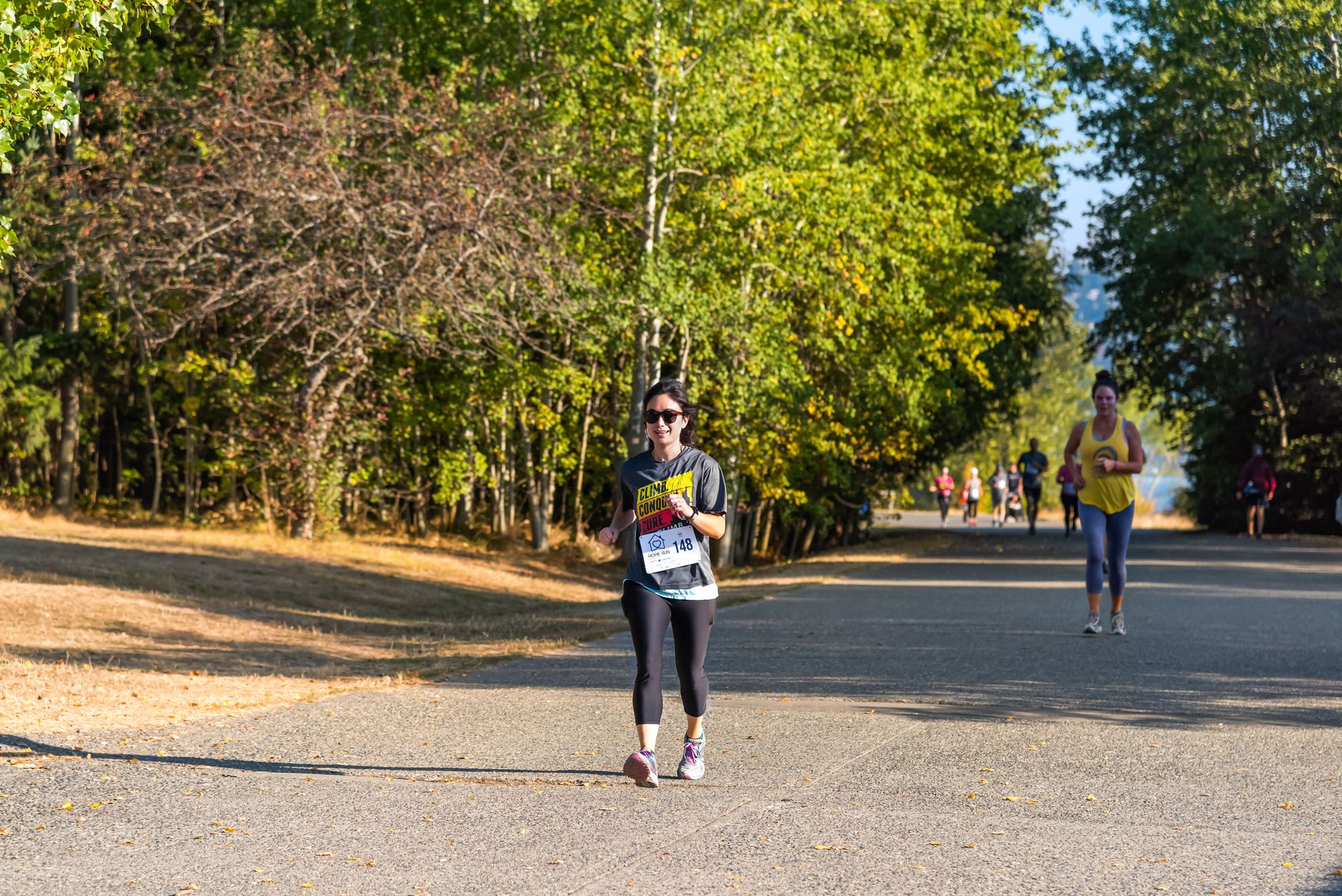
Thanksgiving is 26 days away, and the most popular beginner running program in the world takes 63. The NHS Couch to 5K plan runs nine weeks, three sessions a week, and if you signed up for a Turkey Trot on a whim this month, the calendar math is already against you. I don’t think that means you should skip the race. I think it means the usual Turkey Trot training plan, the one that promises you’ll “run the whole thing” in four weeks, is asking a beginner’s legs to do something the research says is a bad idea. Plan to walk part of it on purpose, and those 26 days are plenty.
You’d have company. RunSignup counted 1,330,726 people registered for 1,056 Thanksgiving Day races on its platform in 2025, up 20% from the year before. The Dallas YMCA Turkey Trot alone bills itself at more than 20,000 participants. Most of those people are not racing anyone. They’re earning pie.
A four-week Turkey Trot training plan can’t be a squeezed Couch to 5K
The nine-week Couch to 5K plan isn’t nine weeks long because the NHS is cautious for fun. It starts with short running intervals broken up by walks, three times a week with rest days in between, and stretches the running out slowly from there. I read that slow build as the whole point of the program. The first few weeks are when beginners feel strong enough to skip ahead, and skipping ahead is the one thing the plan is designed to stop.
Count the sessions you actually have. From Monday, November 2 through Tuesday, November 24, three runs a week gives you 10 or 11 sessions before race day. The full program has 27. That means you can realistically get through a bit more than the first third of it. If you try to cram 27 sessions’ worth of progress into 10, you’re not following a faster plan. You’re skipping the part of the plan that protects you.
The danger is how fast you add minutes, not how far you go

The best data on this comes from a Danish study of 874 novice runners, published in the Journal of Orthopaedic and Sports Physical Therapy in 2014. Researchers gave everyone a GPS watch, let them build their own training, and followed them for a year. Runners who increased their weekly distance by more than 30% over a two-week stretch had a higher rate of distance-related injuries than those who kept increases under 10%, with a hazard ratio of 1.59. To be fair to the numbers, the result didn’t quite reach statistical significance and the authors called the study exploratory. Still, it’s the clearest real-world look we have at beginners doing exactly what Turkey Trot newbies do in November, and it points in one direction.
Put those two speeds on a calendar and the gap gets obvious fast. Say your first week includes 45 total minutes of actual running, spread across three run-walk sessions. Grow that by 10% a week and you’re at 49.5 minutes in week two, about 54.5 in week three, and just under 60 in week four. Grow it by 30% and you go to 58.5, then 76, then about 99 minutes in week four. That’s more than double where you started, in three weeks, which is roughly what a “run the whole 5K by Thanksgiving” plan demands of someone starting from zero. The 10% path doesn’t get you to continuous running by November 26. That’s fine, because you don’t need it to.
Walk breaks barely slow you down, and you’ll feel better after
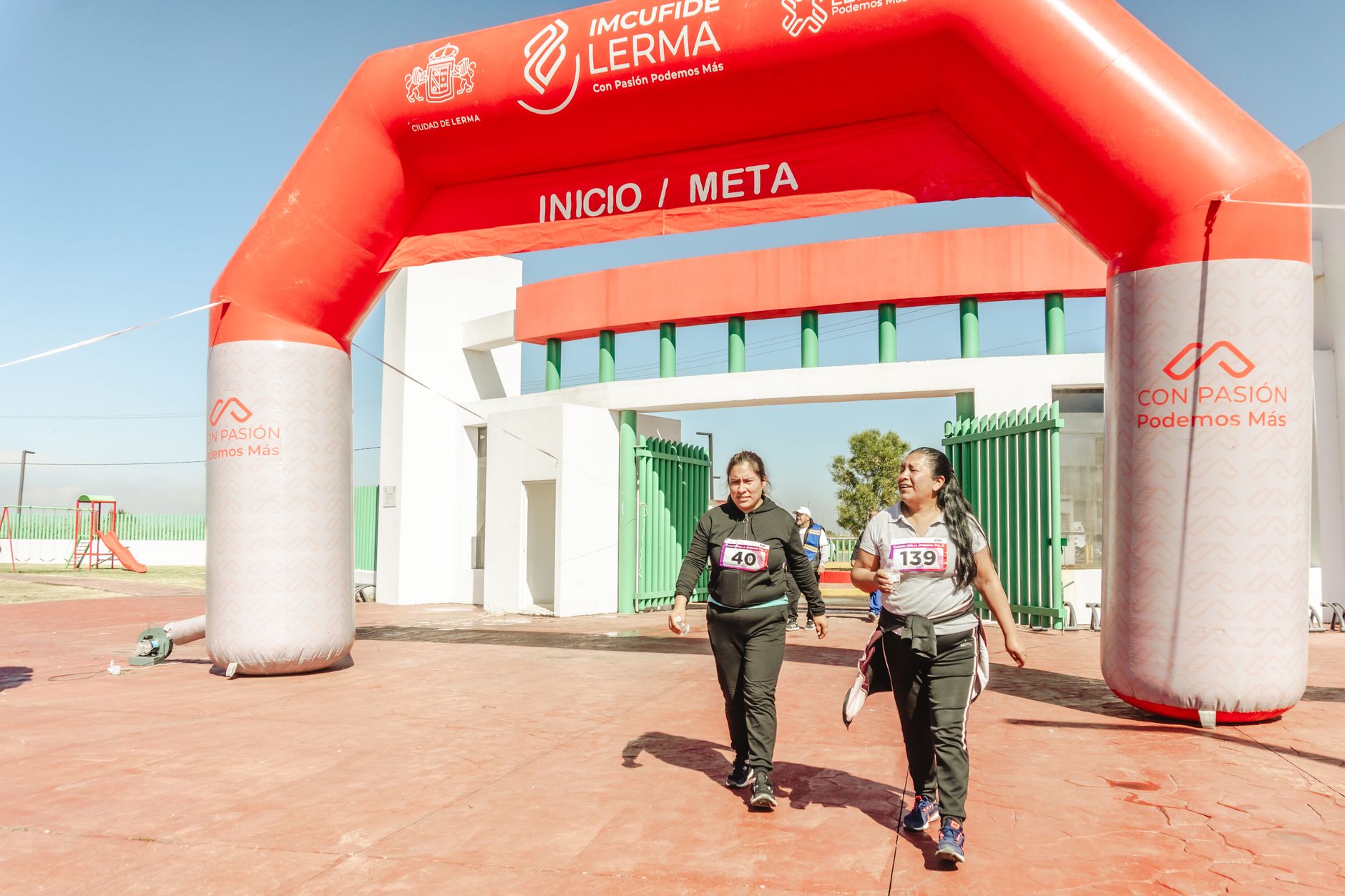
Walking during a race feels like cheating to a lot of first-timers. The research says otherwise. In a study published in the Journal of Science and Medicine in Sport, German researchers split 42 recreational runners preparing for the 2013 Kassel Marathon into two groups. One ran the whole distance. The other walked for one minute every 1.5 miles. Both groups finished in just over four hours, and the 7-minute average gap between them wasn’t statistically meaningful. The difference showed up afterward: more than 40% of the run-only group reported extreme exhaustion, against fewer than 5% of the run-walk group.
That was a marathon, so the 5K version is even more forgiving. A Turkey Trot is 3.1 miles. If you walked every step at a 15-minute-mile pace, you’d finish in about 47 minutes (3.1 times 15 is 46.5). Mix in two or three minutes of easy running for every minute or two of walking and you’ll likely come in faster than that and still have legs for the stairs at your in-laws’ house.
What the entry fee is really buying you
The money side is a small but real reason to rethink “racing” your first one. At the Dallas YMCA Turkey Trot, a timed adult bib costs $41 and an untimed bib costs $35. Spread across 3.1 miles, that’s $13.23 a mile for the chip and $11.29 a mile without it. If the goal is to show up, move for 45 minutes, and get your family out of the house before the oven takeover, the untimed bib does the job for $6 less. Some smaller races, like the Run With The Turkeys Trot in Keller, Texas, skip the timing chip entirely.
My 26-day plan for a first Turkey Trot
This is how I’d set it up. Three sessions a week on non-consecutive days, each about 25 to 30 minutes including a five-minute walking warmup. Week one, alternate one minute of easy running with two minutes of walking. Each week after that, add a little running time to each interval, keeping your total weekly running minutes within that 10% growth line rather than jumping ahead because you felt great on Tuesday. If something hurts in a sharp or specific way, rest a day, and if it doesn’t settle, talk to your doctor before you run on it. The same goes for anyone with a heart condition or who hasn’t exercised in a long time: check with your doctor before you start.
Race week, do two short easy sessions, then rest on Wednesday. On the day, start near the back, use whatever run-walk ratio you trained with from the very first minute instead of saving the walks for when you’re desperate, and let the people in turkey hats pass you. This is the Turkey Trot training plan I trust more than any of the run-the-whole-thing versions, because it gets you to the finish line and still running in December.
If you’re building a habit that lasts past the holidays, my notes on creating a regular exercise routine pick up where this leaves off. And if your Thanksgiving involves a flight before the race, check my guide on when to book Thanksgiving flights so you land with a day to rest.