
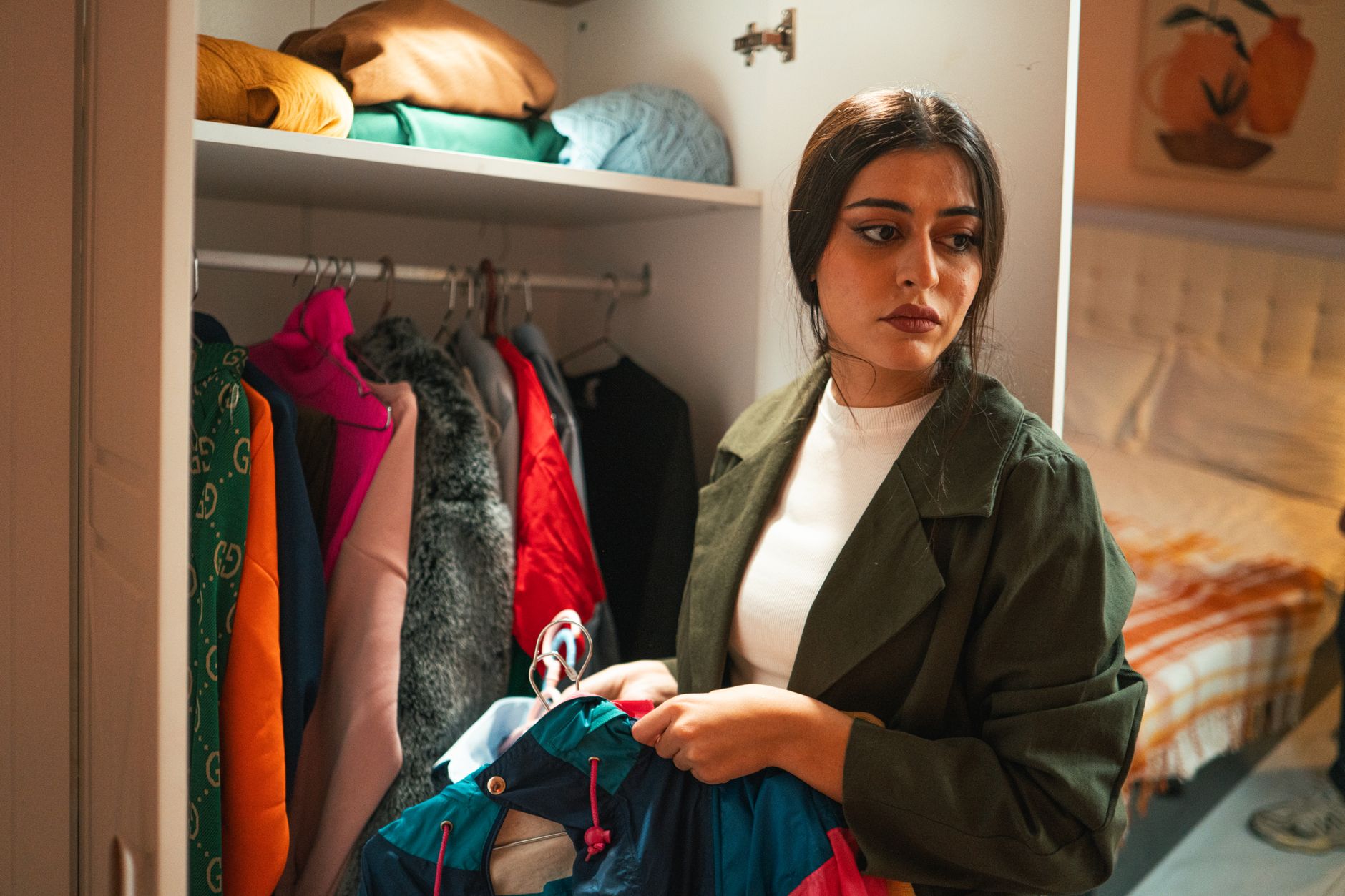
Last spring I spent most of a Saturday photographing 22 tops on my bedroom door, writing listings, and feeling extremely virtuous. Three months later, nine had sold, I’d made $81, and the other 13 were back in a bag in my closet. That was my first real closet clean out with a resale plan, and it taught me the most useful rule I have for this one: most of what you pull out of your closet isn’t worth your time to sell yourself, and pretending it is just keeps it in your house longer.
It’s Earth Day, and a lot of us are doing the spring version of this right now. So before you start photographing everything you own, consider a different plan. Sell the few pieces worth real money yourself. Send the rest out of the house quickly through a bag, a consignment service, or a donation. And treat the whole exercise as information about what not to buy next time, because that’s where the environmental difference actually lives.
The resale boom makes a closet clean out feel like free money
ThredUp released its 14th annual Resale Report on April 2, and the headline is that the U.S. secondhand market grew nearly four times faster than retail clothing overall last year. The report projects the U.S. market will reach $78.8 billion by 2030, and it says nearly half of shoppers now find secondhand pieces through social media and creators rather than search.
That’s good news if you’re buying secondhand, and I do. It’s also why so many closet clean out guides tell you to resell everything. When resale is growing this fast, every old sweater looks like cash. But growth in the market doesn’t mean every item sells, and it says nothing about what your time is worth.
Most of what you pull out is better gone than listed

I wish I’d run the numbers before that Saturday. On Poshmark, the seller fee is a flat $2.95 on anything that sells for under $15 and 20% on anything that sells for $15 or more, according to Vendoo’s fee breakdown. Say you list 20 everyday tops at $12 each. If one sells, you keep $12 minus $2.95, or $9.05. If all 20 sell, you keep $181.
Now count the time. Photographing, measuring, writing a listing, and later packing and dropping off a shipment takes me about 15 minutes per item when I’m moving fast. Twenty items is five hours. If every single one sells, you’ve earned $181 divided by 5, or $36.20 an hour. If half sell, which is closer to my real experience, it’s $90.50 for five hours, or $18.10 an hour. And the unsold half is still in your closet.
Now compare one good piece. A wool coat or a designer bag that sells for $80 costs you $16 in fees, so you keep $64. Fifteen minutes of work for $64 is the equivalent of $256 an hour. The lesson is lopsided: a handful of good items carry almost all the value of a clean out.
My rule now is $25, and it has made every clean out since then faster and less guilty. If I think something will sell for $25 or more, I list it myself. At $25, the 20% fee is $5, I keep $20, and 15 minutes of work comes out to $80 an hour. Below that, it goes in a bag the same day.
Clothes that sit unsold aren’t helping the planet either
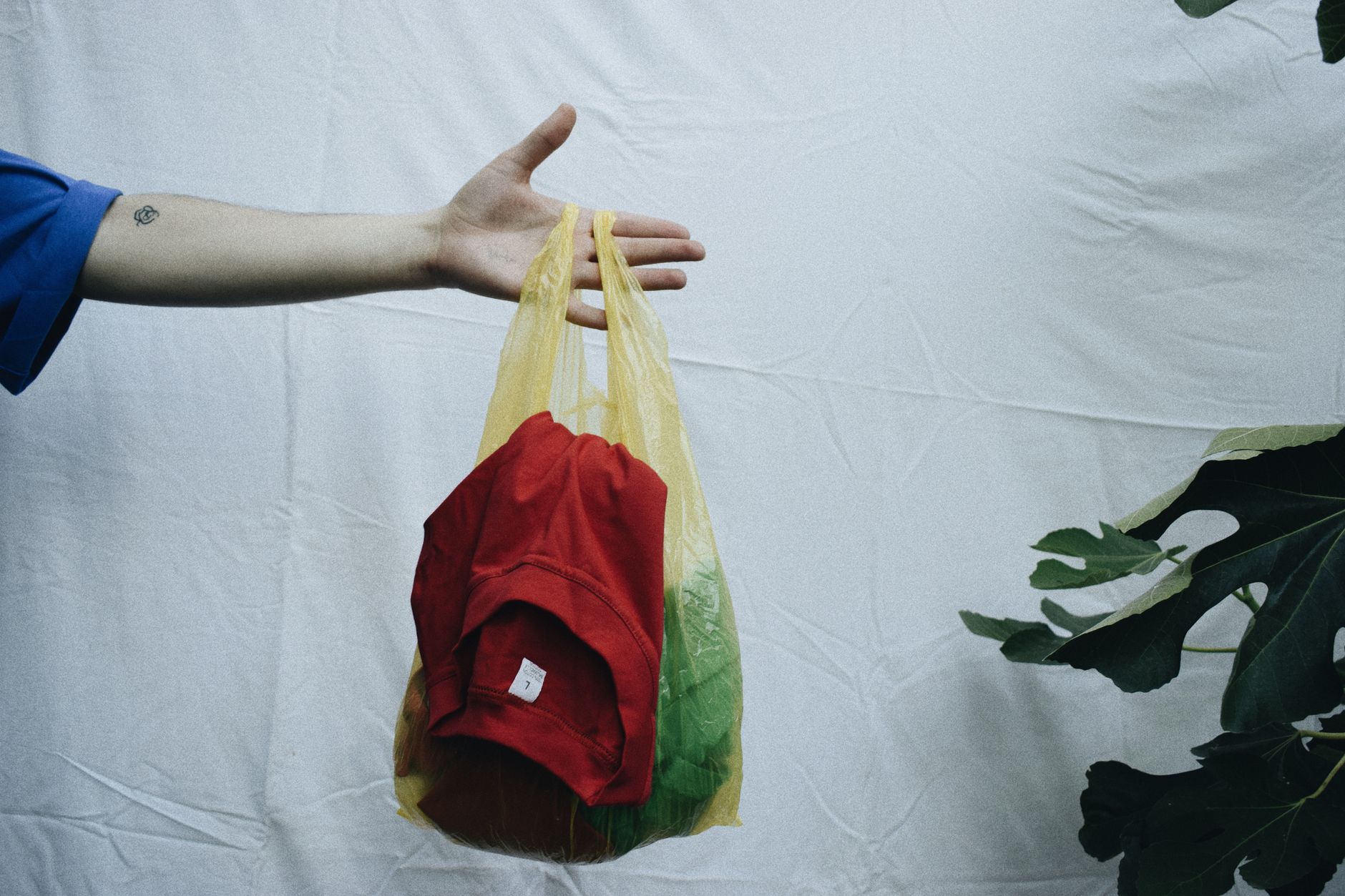
The environmental argument for reselling everything is real, but it has limits. The EPA’s textiles data shows Americans generated about 17 million tons of textile waste in 2018, and about 11.3 million tons went to landfills. The recycling rate for clothing and footwear was only 13%.
Those numbers are why I don’t throw wearable clothes in the trash. But a top sitting in a “to sell” pile for six months isn’t being worn by anyone either. Getting your clean out into circulation fast, through a friend, a clothing swap, a consignment shop, or a donation center that actually accepts what you’re bringing, beats a perfect resale plan that never happens. Before you drop off a donation, check what the place takes. Stained or torn items are better sent to a textile recycling program, which many cities and some retailers run. Shoes and bags in good shape are often the easiest things for a donation center to pass along, so don’t assume they’re too worn to give.
Use your closet clean out to change what you buy
The part of this I think matters most comes after the bags leave. When I sorted my “sell” pile last year, I noticed a pattern. Almost everything that didn’t sell, and almost everything I’d never worn, was a cheap trend piece bought online in a hurry. The things worth $25 or more were older, better made, and mostly things I’d worn a lot before deciding to part with them.
So this year I’m keeping a note on my phone as I sort. Every time I pull out something with the tags still on, or something I wore once, I write down what it was and why I bought it. “Bought for a vacation, never wore again.” “Sale price, wrong color.” It’s a little embarrassing, but it’s the most accurate shopping advice I’ve ever gotten, because it’s based on my own mistakes.
If you want a structure for what to keep, the pieces in my capsule wardrobe guide are a good test. And if your closet clean out is part of a bigger spring reset, my room by room spring cleaning checklist covers the rest of the house.
Do the closet clean out in one afternoon, not one season
My plan for this weekend is simple. I’ll pull everything out, sort into keep, sell, and go, and only let something into the sell pile if I’m confident it’ll bring $25 or more. I’ll list those pieces the same day. Everything in the go pile leaves the house before Monday, whether that’s a donation drop off, a bag for a consignment service, or a text to a friend who wears my size.
An Earth Day closet clean out works best when it’s quick and a little ruthless. The planet doesn’t get much out of a bag of clothes waiting for buyers in your closet. It gets more out of you buying fewer things you’ll want to get rid of next spring.